The integration of smart technology into amusement rides is a growing trend, and ferris wheels, with their towering structures and intricate mechanics, have become key candidates for these advancements. As one of the most iconic and enduring attractions in amusement parks worldwide, a ferris wheel's operational efficiency and user experience are vital to its continued success. Smart technology brings significant improvements in both these areas, enhancing safety, maintenance, and visitor satisfaction while also streamlining management processes.


Enhancing Efficiency and Safety with Smart Technology


Modern ferris wheels are far more than simple rotating structures; they are now complex systems that incorporate sophisticated monitoring and management capabilities. Smart technology helps improve efficiency and safety by continuously collecting real-time data from various sensors integrated into the ride. These sensors monitor vital parameters such as wind speed, structural integrity, and load capacity, allowing operators to detect potential issues before they become safety hazards.


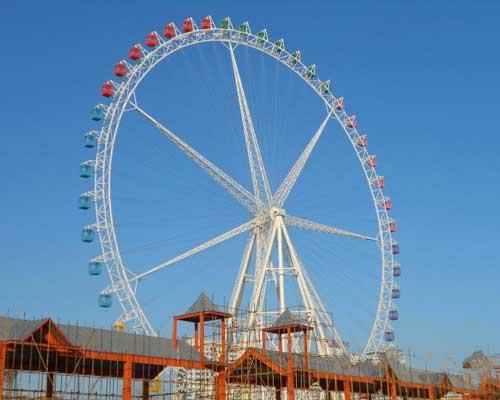
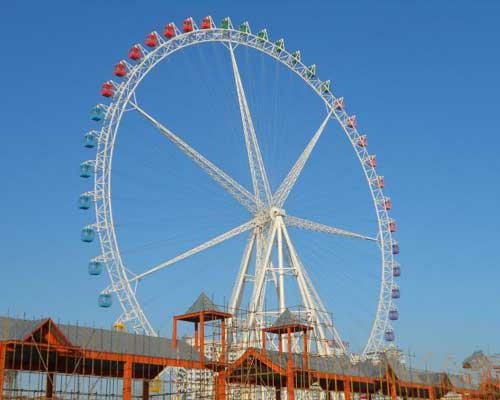
For instance, when managing a big ferris wheel the ability to remotely monitor each gondola’s weight distribution is crucial. Smart load sensors placed on the gondolas can detect any imbalance or unusual distribution, providing instant alerts to operators. These proactive notifications enable swift intervention, reducing the risk of mechanical failures and ensuring a smooth experience for visitors. Additionally, real-time weather data integrated into the system helps operators make informed decisions about when it is safe to operate the ride, reducing risks during adverse conditions.


How Smart Technology Transform


Improving User Experience with Personalized Features


A ferris wheel ride, while thrilling, can also be a calm and scenic experience for visitors. Smart technology enhances the user experience by offering personalized features that cater to different preferences. For example, passengers on a ferris wheel can now have the option to control lighting or play audio in their gondolas. Some systems even allow for customized experiences, where users can choose a theme for their ride, such as a romantic setting with soft lighting and music for couples or a lively, energetic atmosphere for groups of friends.


This ability to offer tailored experiences not only adds value to the ride but also encourages repeat visits. Riders can schedule their preferred experiences through a mobile app, reducing waiting times and allowing for a more seamless visit to the amusement park. Moreover, these mobile applications often feature ride tracking, enabling guests to check real-time information about ride availability and estimated wait times, which enhances convenience.


Streamlining Operations and Maintenance


The maintenance of a ferris wheel, especially one of considerable size, requires regular checks and maintenance schedules to ensure its smooth functioning. Smart technology revolutionizes this aspect by providing operators with data that aids in predictive maintenance. Rather than relying solely on routine inspections, operators can analyze data trends from sensors installed throughout the ride. These sensors continuously monitor mechanical components, such as motors, gears, and bearings, looking for signs of wear and tear.


Predictive algorithms can assess the health of these components and suggest maintenance or repairs before failures occur, reducing downtime and preventing costly emergency repairs. This approach is far more efficient than traditional methods, where components are replaced on a fixed schedule, often resulting in unnecessary maintenance or, conversely, missing critical issues. The result is a more reliable ferris wheel that minimizes operational interruptions and increases uptime.


How Smart Technology Transform


Optimizing Energy Consumption


A crucial benefit of smart technology is its ability to optimize energy consumption. Ferris wheels, particularly large ones, are energy-intensive rides, often requiring substantial power to rotate and maintain movement. Smart systems can be programmed to adjust the speed of the ferris wheel based on factors such as visitor traffic, time of day, and environmental conditions, reducing energy consumption during off-peak hours or when demand is lower.


In addition to reducing energy usage, these systems can also integrate with the park's overall energy management framework. Smart grids can be employed to monitor and manage energy use across various attractions, ensuring that energy is distributed efficiently throughout the park. This results in significant cost savings and contributes to more sustainable operations, aligning with the growing trend toward environmental responsibility within the amusement park industry.


Remote Monitoring and Data-Driven Decision Making


Remote monitoring is another critical aspect of ferris wheel management that has been revolutionized by smart technology. Operators no longer need to be physically present at the ride to assess its performance. Through centralized control systems, managers can oversee the status of multiple ferris wheels from a single location. This includes checking ride status, viewing live video feeds, and accessing real-time data from sensors. The ability to monitor the ride remotely not only improves the speed at which problems are identified but also allows for quicker resolution, even in emergencies.


Data-driven decision-making is enhanced through advanced analytics. By analyzing the vast amount of data generated by these smart systems, park managers can identify trends and patterns that help inform long-term strategies. For instance, data analytics might reveal optimal operating times, customer preferences, and even maintenance schedules that lead to greater profitability and customer satisfaction. By leveraging these insights, ferris wheel operators can make more informed decisions, enhancing the ride’s performance while also ensuring it remains a top attraction for visitors.


The Future of Smart Ferris Wheels


The future of ferris wheel upgrades lies in the continued integration of smart technology. As more parks adopt artificial intelligence (AI) and machine learning (ML) algorithms, ferris wheels will become even more intelligent. AI could be used to predict visitor patterns, optimize ride speeds, and enhance safety protocols in real-time. Furthermore, as the internet of things (IoT) expands, ferris wheels could become even more interconnected, communicating with other rides, systems, and even visitor smartphones for an immersive, integrated amusement park experience.


Moreover, advancements in virtual reality (VR) and augmented reality (AR) could also play a role in upgrading ferris wheels. Imagine a ferris wheel where riders can enjoy an immersive VR experience as they ascend, viewing simulated landscapes or experiencing virtual events that enhance the real-world view. These innovations, combined with smart technology, will likely redefine what it means to operate and experience a ferris wheel in the years to come.


Conclusion


Smart technology has become indispensable in the modern management and operation of ferris wheels. By improving efficiency, enhancing safety, optimizing maintenance, and offering personalized experiences, smart systems are transforming how these iconic rides function. As the technology continues to evolve, ferris wheels will become even more sophisticated, offering operators greater control and riders even more unforgettable experiences. The future of ferris wheels is undeniably smart, and its potential is just beginning to be realized.



Beston Park 發表在 痞客邦 留言(0) 人氣()

Maximizing Amusement Equipment
Introduction
Investing in amusement equipment is a high-stakes venture that requires more than just purchasing rides. Success hinges on a well-orchestrated site management strategy that enhances operational efficiency, maximizes guest engagement, and ensures long-term profitability. A strategic approach aligns equipment selection with spatial planning, crowd flow optimization, and revenue diversification, transforming an amusement park into a sustainable business.

Beston Park 發表在 痞客邦 留言(0) 人氣()

How to Choose the Most Suitabl
A Ferris wheel is a timeless centerpiece for any amusement park, offering both thrilling experiences and breathtaking views. Selecting the right Ferris wheel for your park is a crucial decision that impacts guest satisfaction, operational efficiency, and overall appeal. This guide outlines the essential considerations and steps involved in choosing the most suitable Ferris wheel for your amusement park.
Understanding the Types of Ferris Wheels

Beston Park 發表在 痞客邦 留言(0) 人氣()


The Ferris wheel is a timeless symbol of amusement parks, captivating riders with its gentle rotations and breathtaking views. Its design and features make it a standout attraction for visitors of all ages.


Sturdy Structural Design


Ferris wheels are built with reinforced steel frames to ensure strength and safety. The central axle supports the wheel's weight while enabling smooth rotations. Durability in all weather conditions makes them a reliable investment for operators searching for a ferris wheel for sale.


Key Features of a Ferris Wheel


Comfortable Gondolas


The passenger cabins, or gondolas, are designed for comfort and safety. They feature secure seating, panoramic windows, and locking mechanisms. Some even offer climate control, enhancing the ride experience in any season.


Stunning Light Displays


Modern Ferris wheels feature customizable LED lighting. These lights create mesmerizing displays, transforming the wheel into a glowing centerpiece at night and attracting large crowds.


Flexible Size Options


Ferris wheels come in various sizes, from compact models for small parks to towering structures for iconic landmarks. This flexibility makes them suitable for diverse locations and visitor capacities.


Low Maintenance Requirements


Advanced designs simplify operations and maintenance. Automated systems ensure smooth functionality, while diagnostic tools help identify issues quickly. These features reduce downtime and enhance safety.


Revenue-Boosting Opportunities


Ferris wheels generate income beyond ticket sales. Gondolas can display ads, and their scenic views encourage visitors to share photos, boosting marketing efforts. They are a great option when exploring amusement park rides for sale.


Accessibility for Everyone


Modern Ferris wheels prioritize inclusivity. Gondolas often include ramps and space for wheelchairs, ensuring the ride is accessible to all visitors.


Eco-Friendly Features


Many Ferris wheels now incorporate energy-efficient systems and renewable energy options like solar panels. These features appeal to eco-conscious visitors and reduce operational costs.


Customization Potential


Operators can tailor Ferris wheels to suit their brand or park theme. From colors and lighting to unique gondola designs, customization enhances the ride’s appeal and marketability.


Conclusion


The Ferris wheel remains a top choice for amusement parks due to its iconic charm, flexible design, and ability to generate revenue. Whether you're expanding your park or adding a landmark attraction, choosing the right ferris wheel for sale can ensure long-term success.


Beston Park 發表在 痞客邦 留言(0) 人氣()


The Ferris wheel has long been a symbol of amusement parks, offering scenic views and a thrilling ride. However, advancements in technology have brought a dramatic transformation to this classic attraction. Today’s Ferris wheels incorporate cutting-edge features that elevate the experience, making it not only a ride but an immersive event. Technology is playing a key role in enhancing the design, safety, and enjoyment of these iconic structures.


The Role of Modern Technology in Ferris Wheel Design


Today’s Ferris wheels are no longer simple rotating observation platforms. With the incorporation of technology, they have become dynamic, multi-sensory experiences. The introduction of LED lighting systems allows for stunning light displays that can be customized to fit different themes or events. These lighting effects can be synchronized with music to create an unforgettable atmosphere, particularly during night rides.


Some Ferris wheels now feature climate-controlled cabins that ensure comfort no matter the weather. By utilizing advanced materials and technology, these cabins can provide a more pleasant environment for riders, allowing them to enjoy the view without being affected by the elements. Furthermore, panoramic glass cabins are becoming more common, offering riders unobstructed views of the surrounding area, enhancing the overall experience.


Choosing a Ferris Wheel to Buy: Considerations for Operators


When selecting a ferris wheel to buy, operators must factor in the role of technology in the overall design and functionality. The latest models often incorporate energy-efficient features, which help reduce operational costs. For instance, LED lighting uses significantly less power than traditional lighting systems, making it a cost-effective choice for long-term use.


Another consideration is the integration of smart technology into the ride. Many modern Ferris wheels come equipped with real-time monitoring systems that track the performance of the ride and detect potential issues. These sensors allow operators to perform maintenance before minor problems become major, reducing downtime and improving safety.


How Technology is Transforming


The Contribution of Amusement Equipment Suppliers


Amusement equipment suppliers play an essential role in the technological advancements of Ferris wheels. These suppliers not only provide the hardware but also offer guidance on integrating the latest features and ensuring that the equipment meets safety and performance standards.


Many suppliers today offer customizable Ferris wheels, allowing operators to choose specific features that align with their business needs. For example, some suppliers provide options for larger cabins that can accommodate more passengers or even themed cabins that fit the park’s brand. The flexibility offered by these suppliers ensures that Ferris wheels can be tailored to meet the specific requirements of any location.


Advancements in Safety Features


Safety is a top priority in the amusement industry, and technology is helping to make Ferris wheels safer than ever before. Modern Ferris wheels are equipped with sophisticated safety systems, such as automatic braking systems, real-time ride monitoring, and emergency stop features that ensure passengers are always protected. These systems can alert operators to any issues and allow for prompt action.


Additionally, the structural integrity of Ferris wheels has improved thanks to technological advancements in materials. Modern materials such as high-strength steel and composite fibers make Ferris wheels sturdier and more durable, allowing them to withstand the rigors of continuous use. These innovations help increase the lifespan of the ride while minimizing maintenance costs.


Immersive Experiences: A New Era for Ferris Wheels


Technology is also enabling Ferris wheels to offer more immersive experiences. Augmented reality (AR) and virtual reality (VR) technologies are beginning to be integrated into some Ferris wheels, adding a new dimension to the ride. Riders can experience interactive displays or be transported to virtual worlds, where the view outside the cabin is replaced with stunning 3D landscapes or themed environments.


These technologies make the Ferris wheel experience more engaging and appealing to a broader range of visitors, especially those looking for more than just a traditional ride. By incorporating AR or VR elements, Ferris wheels can cater to the increasing demand for high-tech attractions in amusement parks.


Future Developments in Ferris Wheel Technology


As technology advances, so will Ferris wheels. Future designs may include AI systems to adjust speed and lighting based on passenger numbers or time of day. Smart Ferris wheels may also work with other park attractions, offering visitors a more connected experience that could lead to longer stays and higher revenue. These innovations will result from collaborations between amusement equipment suppliers and manufacturers, who will use new technologies to improve ride operations and guest experiences.


In addition, with sustainability becoming more important, future Ferris wheels will likely use eco-friendly technologies like solar panels and energy-efficient systems. These innovations will help reduce the environmental impact of rides. Amusement equipment suppliers will play a key role in integrating these green technologies, helping park operators achieve both sustainability and cost-efficiency.


How Technology is Transforming


Conclusion


The Ferris wheel has undergone a technological renaissance, evolving from a simple observation ride into a multifaceted attraction. With the integration of advanced lighting systems, climate-controlled cabins, smart safety features, and immersive technologies like AR and VR, Ferris wheels are becoming more than just a ride—they are transforming into interactive, sustainable, and memorable experiences. For operators considering a ferris wheel to buy, the benefits of incorporating these technological advancements are clear: improved safety, better operational efficiency, and a more engaging ride experience that will continue to captivate visitors for years to come.


Beston Park 發表在 痞客邦 留言(0) 人氣()

Optimal Timing and Strategy fo
Investing in a Ferris wheel for sale presents a unique opportunity for amusement park operators and entertainment venues. As one of the most iconic amusement rides, Ferris wheels can attract a wide range of visitors and become a central feature of any park. However, making the right decision regarding when and how to invest in a Ferris wheel requires careful consideration of several factors, including market trends, location, and operational strategy. This article outlines the best time to invest in a Ferris wheel and offers strategic advice on ensuring a profitable and sustainable investment.
Understanding the Best Time to Invest in a Ferris Wheel

Beston Park 發表在 痞客邦 留言(0) 人氣()

How to Choose a High-Return Fe
When considering a ferris wheel for investment, understanding the factors that contribute to its profitability is essential. A ferris wheel can be an iconic attraction for any amusement park, drawing visitors from various demographics. However, to ensure a high return on investment (ROI), careful selection based on several critical aspects is necessary. This guide will walk you through the key considerations in choosing a ferris wheel that maximizes profitability and minimizes risks.
Key Factors in Choosing a High-Return Ferris Wheel

Beston Park 發表在 痞客邦 留言(0) 人氣()


Constructing a Ferris wheel is an intricate process that blends engineering precision with creative flair. The costs involved in building one can vary significantly based on multiple factors. From the size and design to regulatory requirements and location, understanding these elements is crucial for anyone looking to add this iconic attraction to their portfolio.


Design Complexity and Size


The design of a Ferris wheel plays a pivotal role in determining the overall cost. Larger wheels, often referred to as "big wheels" in the amusement park industry, require more substantial investments. Their size dictates not only the materials needed but also the engineering challenges involved in ensuring structural integrity.


A Ferris wheel with an innovative design, such as one featuring enclosed cabins or LED lighting systems, will naturally cost more than a traditional open-air model. These additions enhance the ride experience but involve higher manufacturing and installation expenses. Opting for a custom design can further escalate costs due to the specialized expertise required to bring the vision to life.


Materials and Manufacturing


The choice of materials is another critical factor influencing the ferris wheel cost to build. High-quality steel and aluminum alloys are often used to ensure durability and safety, especially for structures designed to last decades. However, these materials come with a premium price tag.


Beyond the materials themselves, the manufacturing process also contributes to costs. Precision engineering is required to fabricate components such as the axle, spokes, and gondolas. Additionally, quality assurance measures, such as stress testing and compliance with industry standards, further add to the expenses.


Factors That Determine the Cos


Location and Infrastructure


Where the Ferris wheel will be installed significantly impacts the budget. Urban areas or waterfront locations often require additional infrastructure, such as reinforced foundations or specialized anchoring systems, to support the structure. Local zoning laws and environmental considerations may also necessitate further investment.


In some cases, remote or difficult-to-access locations can drive up logistical costs. Transporting components and assembling them on-site requires specialized equipment and skilled personnel, which can increase the overall expense.


Regulatory Compliance


Compliance with safety standards and regulations is non-negotiable in the amusement industry. Ferris wheels are subject to rigorous inspections to ensure rider safety. Meeting these requirements often involves substantial upfront costs for design modifications, documentation, and certification processes.


Depending on the region, additional approvals may be required for noise control, lighting effects, or environmental impact. Each regulatory hurdle contributes to the timeline and cost of the project.


Installation and Labor


The process of erecting a Ferris wheel is labor-intensive and requires a skilled workforce. Engineers, electricians, and construction teams must work in unison to assemble the structure accurately and safely. Labor costs can vary widely depending on the project's location and complexity.


Moreover, specialized machinery such as cranes is often needed to position the larger components. These heavy-duty machines, along with operators trained to handle them, represent another significant cost.


Maintenance Considerations


Although primarily a post-construction expense, maintenance is a critical factor to consider during the planning stage. The choice of materials, design, and operational features directly affects long-term upkeep costs. Using high-quality components may increase initial costs but can reduce maintenance demands and extend the lifespan of the Ferris wheel.


Regular inspections, lubrication of moving parts, and replacement of worn-out components are part of ongoing maintenance. Incorporating these factors into the initial budget can help prevent unexpected expenses in the future.


The Role of Technology


Modern Ferris wheels often integrate advanced technology to enhance the rider experience. Features like climate-controlled cabins, synchronized lighting, and automated operation systems are becoming increasingly popular. However, these innovations come at a price.


The installation of cutting-edge technology requires not only sophisticated equipment but also expertise in programming and troubleshooting. While these features elevate the Ferris wheel's appeal, they add layers of complexity—and cost—to the project.


Financing and Cost Recovery


Given the significant investment required to build a Ferris wheel, many developers explore financing options. Loans, grants, or partnerships with local governments and private investors can help offset initial expenses. It's also crucial to consider how the Ferris wheel will generate revenue.


Big wheel amusement park attractions often serve as anchor points, drawing visitors and increasing overall park attendance. Ticket sales, sponsorships, and promotional events can all contribute to cost recovery, but a detailed financial plan is essential to ensure profitability.


Conclusion


Building a Ferris wheel is a monumental undertaking that requires careful planning and substantial resources. From material selection to regulatory compliance, each decision impacts the total cost and long-term viability of the project. Whether you're envisioning a small, classic model or a towering big wheel for an amusement park, understanding these cost drivers is the first step toward success.


With the right strategy and attention to detail, a Ferris wheel can become a landmark attraction that delivers lasting value for both operators and visitors alike.


Beston Park 發表在 痞客邦 留言(0) 人氣()


Operating a large ferris wheel requires meticulous attention to safety and performance. Daily maintenance is crucial to ensure the ride operates smoothly, safely, and efficiently for both operators and riders. Regular checks and routine upkeep can extend the lifespan of the ride, prevent costly repairs, and mitigate the risk of operational downtime. Below, we will explore essential daily maintenance tips for a large ferris wheel that operators should follow to maintain its optimal functioning.


Understanding the Ferris Wheel's Components


Before delving into daily maintenance tasks, it’s important to understand the main components of a ferris wheel. A typical large ferris wheel consists of the rotating wheel structure, gondolas or cabins, drive motors, electrical systems, and support mechanisms. All of these parts must be in good working order to ensure the safe operation of the ride.


If you are considering a ferris wheel to buy for a commercial amusement park or event venue, it is essential to factor in the maintenance requirements alongside the initial cost. Whether you are purchasing a brand-new model or acquiring a used one, understanding the maintenance needs will help you better manage operational costs and prevent unexpected downtimes.


Daily Maintenance Tasks for a Large Ferris Wheel


1. Visual Inspection of the Wheel Structure


A large ferris wheel is a massive structure, and daily inspection is essential for identifying any visible signs of wear or damage. Operators should begin each day by checking the wheel frame and supporting pillars. Look for any cracks, bends, or corrosion in the metal components, which could be a sign of structural fatigue or exposure to the elements. Pay particular attention to areas that experience high stress, such as the joints and connection points between the wheel’s frame and the axle.


Check for any loose bolts or fasteners that may have come undone overnight. These small issues can lead to larger mechanical problems if not addressed immediately. Inspecting the wheel's frame daily ensures that potential issues are caught early before they escalate into significant safety concerns.


Daily Maintenance Tips for a L


2. Lubrication of Moving Parts


Ferris wheels operate through a series of moving parts, including the motor, gearbox, and bearings. It is essential to lubricate these components regularly to reduce friction, prevent overheating, and ensure smooth rotation. In the daily maintenance routine, operators should lubricate key areas such as the wheel’s bearings, axles, and gear systems. If your ferris wheel is large, the lubrication schedule may require specialized grease or oil depending on the size and material of the components.


Daily checks should ensure that lubrication levels are adequate and that there are no signs of leakage or excessive buildup. Over-lubrication or insufficient lubrication can lead to mechanical failure, so it’s important to follow the manufacturer's recommendations regarding lubrication intervals and methods.


3. Checking the Electrical Systems


The electrical system of a ferris wheel controls the drive motor, lighting, and safety sensors. Daily checks of the electrical system are crucial to prevent electrical malfunctions, which could cause interruptions in the ride’s operation. Inspect the power supply, connections, and wires for any signs of wear or damage. Look for frayed wires or exposed cables that could potentially pose a fire hazard.


Additionally, check the electrical panel and circuit breakers to ensure they are functioning properly. Operators should test the emergency stop button and safety sensors to make sure that they are responsive and in good working order. The lighting system should also be inspected, as faulty lighting can cause visibility issues during night operations and reduce the ride's overall appeal.


4. Testing the Safety Mechanisms


A large ferris wheel is a high-capacity ride, and safety is paramount. Operators should conduct a series of tests each day to ensure that all safety mechanisms are functioning properly. This includes the safety restraints on each gondola or cabin, the locking mechanisms, and the emergency evacuation systems.


Check the operation of the safety gates, making sure they open and close smoothly and securely. Inspect the seats and lap bars in each gondola for proper locking mechanisms. Any malfunctions in these areas should be addressed immediately to avoid safety risks to passengers.


Additionally, run a test cycle of the ferris wheel to ensure that the braking systems are functioning effectively. The brakes should engage smoothly, and the wheel should come to a complete stop without any unusual delays or jerking motions.


5. Inspecting the Gondolas


The gondolas or cabins of a ferris wheel are exposed to significant wear over time, especially when accommodating large numbers of passengers. Daily maintenance checks should include inspecting the gondolas for any visible damage or wear to the seating, windows, and safety restraints. Look for cracked or broken windows, loose seating, or damaged components that could pose a risk to riders.


Additionally, check the condition of the entry/exit doors to ensure they open and close properly. Ensure that all safety signage is clearly visible and intact inside each gondola. These inspections help maintain the overall integrity of the ride and ensure that passengers experience a safe and comfortable ride.


6. Verifying the Drive Mechanism


The drive mechanism, typically powered by an electric motor, is responsible for the rotation of the ferris wheel. This mechanism should be inspected daily for any unusual noises or vibrations that may indicate a mechanical issue. Listen carefully to the motor’s operation during test cycles to ensure it runs smoothly.


Operators should also inspect the gearbox, drive belts, and pulleys, looking for any signs of wear or misalignment. These parts are essential for transferring power to the wheel, and any damage could disrupt the ride’s rotation. Ensuring that the drive mechanism is in good condition will minimize the risk of breakdowns.


7. Reviewing the Control Panel and Software


Modern ferris wheels often rely on sophisticated control panels and software to monitor the ride’s performance and ensure safe operation. Operators should inspect the control panel daily, ensuring that all screens and buttons are functioning correctly. Run through the control system’s diagnostics to check for any error codes or alerts that may require attention.


Additionally, ensure that all backup systems, such as manual overrides and emergency shutdown procedures, are clearly accessible and functional in case of an emergency. If the ferris wheel uses automated software to control speed, rotation, and timing, it is important to verify that the software is up-to-date and operating as intended.


8. Weather-Related Adjustments


Weather conditions can have a significant impact on the operation of a ferris wheel, especially in areas prone to extreme temperatures, high winds, or heavy rainfall. Operators should adjust the maintenance routine based on the weather conditions. For instance, if the weather forecast predicts high winds, operators should inspect the stabilizing supports and check that the ferris wheel is properly secured. In extremely cold temperatures, lubrication may need to be adjusted to ensure the wheel's components do not freeze or become brittle.


Conclusion


Daily maintenance of a large ferris wheel is critical to ensuring its safe and efficient operation. By performing thorough inspections of the wheel structure, lubricating moving parts, checking the electrical system, and testing safety mechanisms, operators can keep the ride running smoothly and minimize the risk of unexpected breakdowns. Regular attention to gondolas, the drive mechanism, and control panels further ensures the ride meets safety and performance standards.


If you are considering a ferris wheel to buy, understanding these daily maintenance tasks is essential. Investing in a ferris wheel comes with the responsibility of maintaining it properly to ensure a safe, enjoyable experience for riders. By adhering to a strict maintenance routine, operators can extend the lifespan of the ferris wheel and provide a consistently high-quality ride experience.


Beston Park 發表在 痞客邦 留言(0) 人氣()

How Social Media Boosts Market
In the ever-evolving landscape of entertainment, the role of social media in marketing has become paramount. For businesses that specialize in funfair amusement rides, leveraging social media platforms can significantly enhance visibility, engagement, and ultimately, sales. Among these attractions, the Ferris wheel ride for sale stands out as a quintessential symbol of joy and nostalgia. This article explores how social media can effectively boost marketing efforts for Ferris wheel rides, providing insights into strategy, audience engagement, and content creation.

Beston Park 發表在 痞客邦 留言(0) 人氣()


Design is more than just aesthetics; it is a reflection of cultural identity and community values. Integrating local cultural elements into design can enhance relevance and create deeper connections between the product and its users. This article explores strategies for effectively using local cultural elements in design while highlighting the significance of contextual relevance.


How to use local cultural elem


Understanding Local Cultural Context


Before delving into the design process, it is essential to grasp the cultural context in which the design will exist. This involves researching local traditions, histories, symbols, and practices. Understanding the nuances of a culture helps designers create meaningful and resonant designs.


For example, when deciding to buy ferris wheel for a local amusement park, one should consider the cultural significance of the attraction in that particular region. Ferris wheels often symbolize joy, celebration, and community gatherings. However, the design elements—colors, shapes, and themes—can be influenced by local customs.


In some cultures, bright colors may represent festivity, while in others, specific color palettes may hold traditional meanings. By respecting and incorporating these cultural significances, designers can ensure that their work resonates with local audiences.


Utilizing Local Symbols and Motifs


Local symbols and motifs can serve as powerful design elements that convey cultural narratives. These symbols may include indigenous patterns, traditional motifs, or historical emblems. Integrating such elements into designs not only enhances visual appeal but also fosters a sense of pride within the community.


For instance, if one were considering a small ferris wheel for sale in a region known for its unique artistry or craftsmanship, it would be prudent to incorporate local art styles into the design. This could involve using decorative patterns or artistic techniques that reflect the area's heritage. By doing so, the ferris wheel becomes not merely an amusement ride but also a representation of local artistry.


Designers should engage with local artists and historians to ensure authenticity. Collaborating with those who possess a deep understanding of the cultural context can enrich the design process and ensure that it honors local traditions.


Engaging with the Community


Community engagement is a crucial aspect of incorporating local cultural elements in design. Inviting community members to participate in the design process fosters a sense of ownership and belonging. This can be achieved through workshops, focus groups, or public forums where individuals can share their thoughts, stories, and aspirations.


When designing attractions like a ferris wheel, community input can reveal unique local preferences. For instance, locals may have specific ideas about how the ferris wheel should be themed or what colors should be used. By actively listening to the community, designers can create attractions that reflect the desires and values of the people it serves.


Engaging with local stakeholders also helps in building trust and credibility. When communities see their cultural elements reflected in the design, they are more likely to support the project and visit the attraction.


Adapting to Local Preferences


Designers must remain flexible and adaptive to local preferences when incorporating cultural elements. This means being open to revising designs based on community feedback and understanding that cultural meanings can evolve over time.


For example, if a designer receives feedback that a particular design element does not resonate with the community, it is crucial to take that feedback seriously. Adjusting the design to better align with local sentiments can enhance acceptance and foster a positive relationship between the attraction and its audience.


Moreover, it is important to consider the demographic diversity within the community. Different cultural groups may have distinct perspectives and preferences. Taking these into account ensures that the design is inclusive and appealing to a broader audience.


Ensuring Sustainability and Respect


Sustainability should be a guiding principle when incorporating local cultural elements into design. This means not only considering the environmental impact but also ensuring that cultural elements are treated with respect and sensitivity.


For example, using traditional materials or methods in the design process can highlight local craftsmanship while promoting sustainable practices. However, it is essential to ensure that these materials are sourced ethically and that their use supports local artisans and communities.


Designers must also be cautious about cultural appropriation. Understanding the significance of cultural elements is critical. Designers should aim to honor and celebrate local traditions rather than exploit them for commercial gain.


Case Studies of Successful Cultural Integration


Examining successful case studies can provide valuable insights into how local cultural elements can be effectively integrated into design. For instance, a theme park that successfully incorporated local traditions and stories into its attractions can serve as a model for future projects.


In regions where cultural festivals play a significant role in community life, attractions designed to complement these events can enhance the overall experience. A ferris wheel designed to reflect the local festival's themes—such as seasonal colors or traditional motifs—can create a more immersive experience for visitors.


These successful examples demonstrate that when cultural elements are thoughtfully incorporated, they not only elevate the design but also deepen the connection between the attraction and the community.


Evaluating the Impact of Cultural Design


Post-implementation evaluations are crucial for assessing the impact of cultural design elements. Gathering feedback from visitors and community members can provide insights into how well the design resonates with its intended audience.


Surveys, interviews, and social media engagement can be valuable tools for collecting feedback. This data can inform future design endeavors and help refine approaches to integrating local cultural elements.


Furthermore, evaluating the overall impact on the community—such as increased visitor numbers or enhanced local pride—can provide valuable metrics for success. Understanding the broader implications of cultural integration reinforces the importance of design as a tool for community connection.


Conclusion


Incorporating local cultural elements into design is a nuanced and rewarding endeavor. By understanding the cultural context, utilizing local symbols, engaging with the community, and ensuring sustainability, designers can create products that resonate deeply with their audiences. The process requires sensitivity, flexibility, and a commitment to honoring the traditions and stories of the community. Ultimately, successful integration can lead to designs that not only entertain but also enrich the cultural fabric of the area, creating lasting connections between people and their shared heritage.


Beston Park 發表在 痞客邦 留言(0) 人氣()


Purchasing a backyard Ferris wheel is an exciting way to enhance your outdoor space, but to ensure it remains a safe and enjoyable attraction, proper operation and maintenance are key. Whether you're considering buying a Ferris wheel or already have one, understanding how to manage and care for this unique equipment will maximize its lifespan and performance.


Essential Tips for Operating a


Key Considerations When Buying a Ferris Wheel


Before you buy a Ferris wheel, it’s important to choose a model that fits your space and meets safety standards. Evaluate factors such as size, weight capacity, and installation requirements. Look for reputable manufacturers that offer high-quality materials and robust safety features. Ensuring that the Ferris wheel is designed for backyard use will help you avoid potential issues related to durability and safety.


Operating Your Backyard Ferris Wheel


Once you've purchased your backyard Ferris wheel, proper operation is essential. Follow the manufacturer’s guidelines for setting up and operating the wheel. Make sure to inspect the equipment regularly to ensure it’s functioning correctly. Key operational tips include:


  • Pre-Ride Checks: Before each use, perform a thorough inspection of the Ferris wheel, checking for any signs of wear or damage.

  • Load Capacity: Adhere to the recommended weight limits to ensure safe operation. Avoid overloading the ride, which can strain the mechanical components.

  • Supervision: Always supervise riders, especially children, to ensure they follow safety rules and guidelines.


Maintaining Your Backyard Ferris Wheel


Routine maintenance is crucial to keeping your Ferris wheel in top condition. Implement these maintenance practices:


  • Regular Inspections: Schedule periodic inspections to check for mechanical issues, rust, or other damage. Address any problems promptly to avoid more serious issues.

  • Cleaning: Keep the Ferris wheel clean from debris, dust, and dirt. Regular cleaning will help maintain its appearance and prevent potential malfunctions.

  • Lubrication: Apply lubrication to moving parts as recommended by the manufacturer to ensure smooth operation and reduce wear and tear.


Conclusion


Proper operation and maintenance are essential to getting the most out of your backyard Ferris wheel. By following these essential tips, you can ensure that your Ferris wheel remains a safe and enjoyable feature in your outdoor space. Whether you are in the process of buying a Ferris wheel or already own one, adhering to these practices will help you keep the ride in excellent condition for years to come.


Beston Park 發表在 痞客邦 留言(0) 人氣()

1 2
Blog Stats
⚠️

成人內容提醒

本部落格內容僅限年滿十八歲者瀏覽。
若您未滿十八歲,請立即離開。

已滿十八歲者,亦請勿將內容提供給未成年人士。