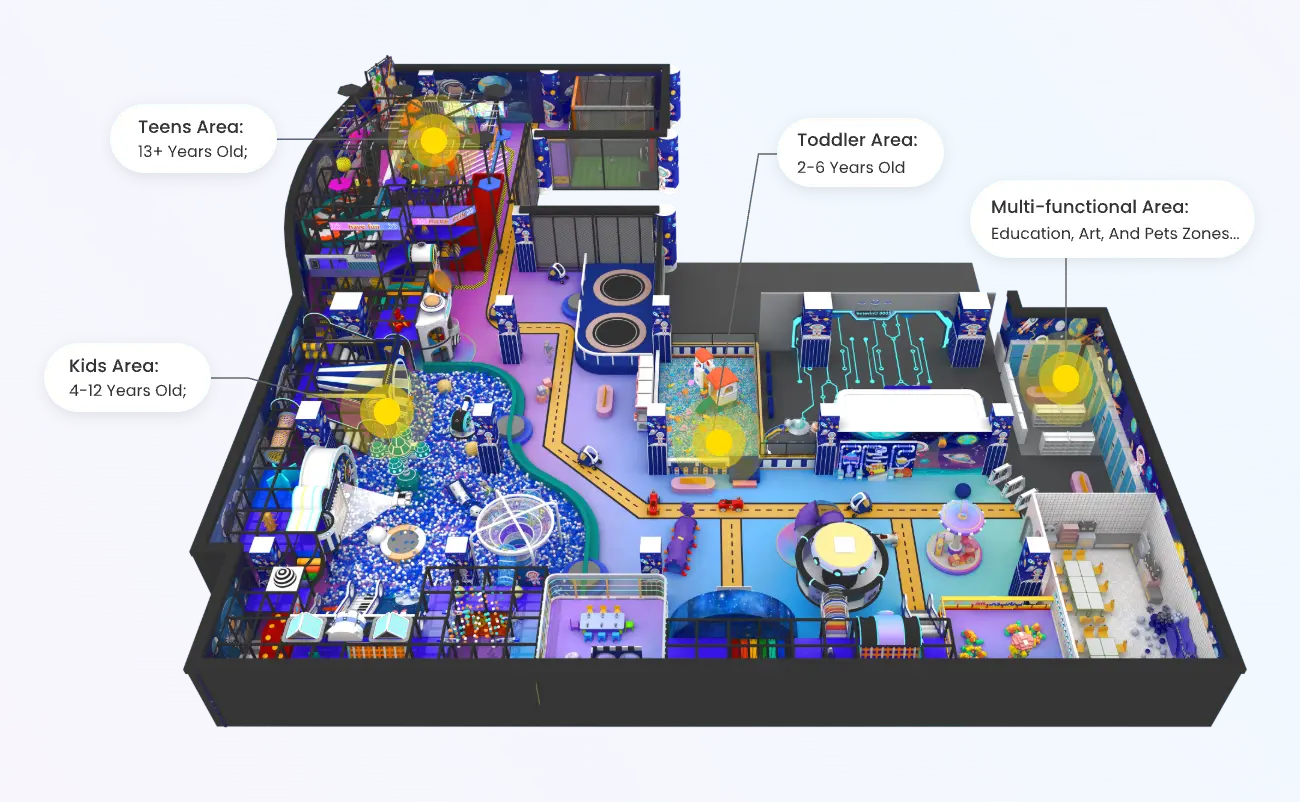
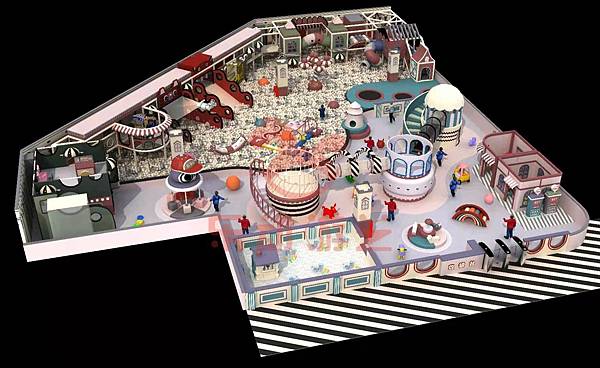
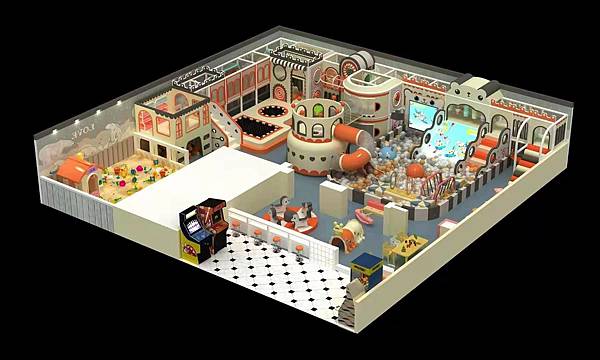
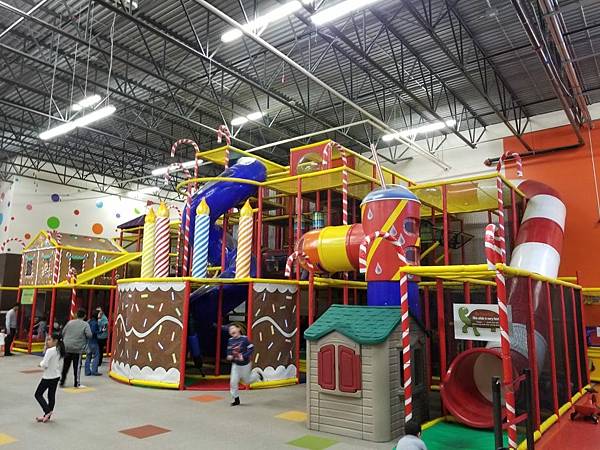
Selecting the appropriate supplier for indoor recreational structures is a critical decision that can influence not only the quality and safety of your operations but also the longevity and profitability of your business. As the market for indoor play environments grows increasingly competitive and diversified, stakeholders must evaluate suppliers with a rigorous, multidimensional approach. It is not merely about cost-effectiveness; it is about securing a partner who aligns with your strategic vision, regulatory requirements, and operational goals. Defining the Right Indoor Playground Equipment Supplier
Introduction The indoor amusement industry has expanded rapidly, with increasing demand for innovative, safe, and engaging play structures. Manufacturers in this sector face intense competition, requiring strategic advancements in design, material selection, and customer engagement. To maintain market relevance, companies must integrate technological innovations, adhere to stringent safety standards, and refine their business models to meet evolving consumer expectations.
The indoor playground equipment market has evolved rapidly, driven by an increasing demand for family-friendly entertainment solutions. As urbanization continues to rise and more families seek accessible leisure options, the indoor playground sector is expanding across various regions. This growth is further fueled by the increasing emphasis on safety, creativity, and interactive experiences in play environments. Investors and stakeholders are carefully navigating this landscape, identifying both trends and challenges, and seeking opportunities to capitalize on the growing market.
Emerging Trends in the Indoor Playground Equipment Market
One of the prominent trends in the indoor playground equipment market is the shift toward more immersive and interactive play experiences. Unlike traditional playground setups, modern indoor playgrounds integrate technology and innovative designs to create engaging environments for children. Augmented reality (AR) and interactive screens are being incorporated into play structures, enabling children to participate in virtual games while enjoying physical play. This technological integration is not only appealing to tech-savvy young audiences but also aligns with the evolving preferences of parents who seek educational and developmental benefits from their children's entertainment.
Additionally, safety standards have become increasingly stringent, with a focus on non-toxic materials, durable construction, and ergonomic designs. Manufacturers are prioritizing safety features, such as soft landing zones, smooth surfaces, and age-appropriate equipment, ensuring that the products meet or exceed the highest regulatory standards. This heightened focus on safety has led to the creation of more robust commercial indoor playground equipment, built to withstand heavy use while maintaining a fun and secure environment for children.
As the demand for such equipment continues to rise, there is a noticeable increase in the availability of indoor playground equipment for sale. Retailers and manufacturers are now offering a broader variety of designs, sizes, and customization options to cater to a wide range of indoor spaces, from small play areas in malls to expansive entertainment complexes. This influx of options has led to greater competition in the market, providing customers with more choices and more competitive pricing. The global reach of online marketplaces has made it easier for buyers to access indoor playground equipment, spurring growth in both residential and commercial sectors.
Investment Opportunities in Commercial Indoor Playground Equipment
The commercial indoor playground equipment sector, in particular, has attracted significant attention from investors. This segment includes equipment designed for public spaces such as shopping malls, entertainment centers, and recreation facilities. These venues seek to provide a safe, enjoyable, and stimulating environment for children, positioning themselves as destinations for families seeking entertainment. Commercial indoor playground equipment offers a substantial return on investment due to its ability to attract high foot traffic, particularly in family-oriented or tourist-heavy areas.
Investors are increasingly drawn to the commercial potential of indoor playground equipment, with many seeing it as a way to diversify their portfolios. The rise in disposable income, especially in emerging markets, has fueled the demand for recreational spaces, driving the growth of large-scale indoor play areas. Commercial playgrounds that combine physical play with interactive technology are proving particularly successful, as they appeal to a broad demographic that values both entertainment and education.
Given the scale and complexity of commercial indoor playground installations, these ventures often require significant upfront investment. This includes the cost of high-quality, durable equipment, installation services, and maintenance. Additionally, site selection plays a critical role in the success of commercial playgrounds. Locations that are near high-traffic areas, such as shopping malls or tourist attractions, are more likely to generate consistent foot traffic and deliver a positive return on investment. Understanding local market dynamics, including the preferences of target audiences and the competitive landscape, is crucial when planning and developing these commercial play areas.
Sustainability and Eco-Friendly Designs
As the global market becomes more environmentally conscious, sustainability has become a key consideration in the development of indoor playground equipment. Manufacturers are increasingly using eco-friendly materials such as recycled plastics, sustainable woods, and non-toxic paints to create playground structures that align with green building standards. This trend is especially important in regions where environmental regulations are stricter, and consumers are more likely to prioritize sustainable products.
Moreover, eco-conscious buyers are also looking for equipment that is designed for longevity. Commercial indoor playground equipment is expected to withstand constant use, making durability a key factor in purchasing decisions. Equipment that is modular and can be easily adapted or expanded is particularly appealing, as it allows businesses to customize their play areas over time without incurring high costs.
This shift toward sustainability is also reflected in the growing demand for energy-efficient features in indoor playgrounds. Some manufacturers are integrating energy-saving lighting, water-efficient features, and renewable energy sources into their designs, further reducing the environmental footprint of these play areas. By offering these eco-friendly options, manufacturers and investors can meet the expectations of increasingly conscientious consumers and businesses alike.
The Role of Safety and Regulatory Compliance
Safety remains a critical concern in the indoor playground equipment market. Manufacturers must adhere to stringent safety regulations that vary by region, ensuring that the equipment meets safety standards set by local authorities. For commercial playgrounds, meeting these safety standards is not only a legal requirement but also an essential element in maintaining consumer trust and brand reputation. Play areas that are perceived as unsafe or poorly constructed can significantly impact a business’s profitability.
Regulatory bodies such as ASTM International and the Consumer Product Safety Commission (CPSC) set guidelines for indoor playground equipment, including recommendations for design, installation, and maintenance. These guidelines cover everything from the strength and durability of materials to the layout of the play area, including height restrictions and fall zones. Playground owners and operators must stay updated on these regulations to ensure that their equipment is compliant and that their facilities are regularly inspected.
Investors in the commercial indoor playground sector must also factor in the ongoing costs of maintaining safety standards. Regular maintenance, inspection, and repair services are essential to prolong the life of the equipment and ensure that it remains safe for children. Failure to adhere to safety guidelines can lead to liability issues, increased insurance costs, and a loss of customer confidence.
Conclusion
The indoor playground equipment market presents significant investment opportunities, driven by growing demand for recreational spaces and the rising importance of safety, technology, and sustainability. Both residential and commercial sectors are benefiting from innovations that offer more engaging, interactive, and eco-friendly play experiences. The commercial indoor playground equipment sector, in particular, is thriving, offering substantial returns for investors willing to navigate the complexities of site selection, compliance, and long-term maintenance.
As the market continues to evolve, staying attuned to trends such as technological integration, sustainability, and safety compliance will be key to capturing growth opportunities. Investors and manufacturers who can meet these demands while offering high-quality, durable, and engaging play environments will be best positioned to succeed in the competitive indoor playground equipment market.
The recreational and entertainment industry has witnessed a significant surge in indoor activity-based ventures over the past few years. Among the most lucrative investment opportunities are indoor playgrounds and trampoline parks, which offer year-round fun and appeal to a broad audience. These businesses not only cater to families but also tap into the growing demand for physical activity, entertainment, and safe play environments. The following highlights the investment benefits of indoor playgrounds and trampoline parks, outlining why these ventures can provide impressive returns. Indoor Playground Equipment for Sale: A Growing Demand
Designing a play area requires careful planning, but with the help of an indoor playground equipment supplier, it becomes a smoother process. These experts not only provide the equipment, but they also help bring your vision to life with their knowledge of space, safety, and design. Their expertise ensures the play area is functional, safe, and engaging for children. The Role of an Indoor Playground Equipment Supplier
Indoor play areas have become a cornerstone of modern recreational spaces, offering children a safe and engaging environment to play and learn. These areas, designed with various play structures and equipment, are essential for both commercial businesses and residential properties looking to create interactive, fun-filled spaces. However, choosing the right supplier for indoor play area equipment is critical to ensuring safety, durability, and overall quality. The suppliers you partner with will determine the type, functionality, and longevity of the equipment within the play area.
Key Factors to Consider When Choosing Indoor Play Area Equipment Suppliers
When sourcing indoor play area equipment, a few critical factors must be considered to ensure the quality and safety of the products. The market is filled with numerous indoor play area equipment suppliers, each offering a range of products tailored to different needs, from small residential play areas to large commercial spaces. The following points will guide decision-makers in selecting the best supplier:
1. Quality of Equipment
One of the most important factors when selecting an indoor play area equipment supplier is the quality of the materials used. Suppliers should provide high-quality, durable, and safe equipment, ensuring that all components are free from harmful materials such as lead or other toxic substances. Equipment must be built to last, enduring high usage and maintaining its integrity over time. Most reputable suppliers will offer equipment that adheres to stringent safety standards and regulations.
2. Safety Standards and Compliance
Safety is paramount when it comes to children’s play equipment. All indoor play area equipment must be designed and manufactured in compliance with international safety standards, such as ASTM (American Society for Testing and Materials) and EN1176 (European Standards for Playground Equipment). Reputable suppliers will provide certifications or documentation confirming their adherence to these standards. It's crucial to choose suppliers who prioritize safety in their designs, ensuring the structural integrity of play structures, proper soft surfacing materials, and secure anchoring systems.
3. Customizability and Design Flexibility
Another important factor to consider is whether the supplier offers customizable options to suit the specific needs of the space. Some suppliers allow customers to design their play areas by offering modular equipment that can be adjusted and rearranged based on available space and design preferences. A flexible design is particularly valuable in spaces where the layout needs to be adapted over time or where a specific theme needs to be incorporated into the play area.
4. Warranty and Maintenance Support
Choosing suppliers that offer warranties and ongoing maintenance support is crucial. Warranties ensure that the equipment is protected against defects and failure, while maintenance services guarantee the long-term functionality of the equipment. The supplier should provide details on their warranty policy, including duration and coverage. Additionally, having access to a reliable maintenance service ensures that the play area remains safe and operational for years.
Leading Suppliers for Indoor Play Area Equipment
There are several renowned suppliers in the market offering high-quality indoor play area equipment. These suppliers have established themselves as industry leaders through their commitment to safety, innovation, and customer satisfaction. Below are some of the most reliable names in the industry:
1. Playworld Systems
Playworld Systems is a well-respected name in the world of play equipment. Specializing in both indoor and outdoor play areas, Playworld is known for creating innovative, safe, and durable products. Their focus on customizable playsets allows clients to tailor the play area to their specific requirements, whether it's a small family center or a large commercial facility. Playworld offers a variety of modular systems, making it easy for clients to expand or modify their play areas over time.
They also focus heavily on safety, with their products meeting or exceeding global standards, ensuring that children have an enjoyable yet secure experience. Their customer service and post-installation support have earned them high praise from clients worldwide. For those also looking to buy amusement park rides, Playworld’s diverse portfolio can extend to other entertainment-related equipment, making it a one-stop shop for amusement solutions.
2. Indoor Playgrounds International
Indoor Playgrounds International is another leading supplier specializing in the design and installation of indoor play areas. This supplier is recognized for providing high-quality, customizable play structures that can fit into virtually any space. Their expertise lies in designing comprehensive play solutions that combine entertainment, learning, and physical activity. They offer a range of products, including soft play zones, climbing structures, slides, and ball pits.
With a focus on both commercial and residential projects, Indoor Playgrounds International takes pride in offering equipment that meets stringent safety standards. They also provide extensive design consultation services, ensuring that the final play area fits the client's vision.
3. Soft Play
Soft Play is one of the most prominent suppliers of indoor play equipment, offering an array of products ranging from interactive play areas to large-scale multi-level play structures. Their primary focus is on providing safe, engaging play environments for children. Soft Play offers a vast selection of soft modular play systems, designed with safety features such as rounded corners and shock-absorbing materials.
Their commitment to quality is evident through the extensive research and development they put into each product. Soft Play’s reputation is built on creating environments that support both physical development and cognitive growth through play. Their customizable options ensure that businesses or private owners can create unique, tailored spaces for children.
Buying Amusement Park Rides from Reputable Suppliers
In addition to sourcing indoor play area equipment, those managing amusement parks or large recreational areas may also be interested in buying amusement park rides. Purchasing amusement park rides requires a different set of considerations, given the scale and complexity of the equipment involved.
When buying amusement park rides, it’s crucial to partner with reputable suppliers who can provide high-quality, durable rides designed for safety and efficiency. Leading suppliers in the amusement park industry often offer a variety of ride types, including roller coasters, Ferris wheels, carousel rides, and spinning rides. Suppliers like Zamperla and Intamin are well-known for their ability to deliver innovative and safe amusement park rides for parks around the world.
These suppliers offer a range of services, including custom design, installation, and maintenance. Furthermore, they ensure that their rides meet all required safety standards, thus preventing accidents and ensuring the safety of visitors. As with indoor play area equipment, amusement park ride suppliers should be evaluated on their ability to provide reliable, long-lasting products that keep riders safe while providing an enjoyable experience.
Conclusion
Choosing the right supplier for indoor play area equipment is essential to ensuring the safety, durability, and enjoyment of the play environment. By focusing on quality, safety standards, customization options, and post-installation support, buyers can identify reliable suppliers that meet their needs. Whether the goal is to create a small play area or a large commercial space, several trusted suppliers stand out in the market, offering diverse products and services.
In addition, for those in the amusement park industry, selecting reputable suppliers for amusement park rides ensures a safe and exciting experience for park visitors. With attention to detail and careful consideration, businesses can create both safe and thrilling environments, fostering long-term customer satisfaction and success.
When setting up an indoor playground, choosing the right equipment manufacturer is a key factor in ensuring success. The increasing demand for family-friendly entertainment spaces makes the right equipment crucial. With the growing popularity of indoor play zones, it’s important to partner with a manufacturer who can provide high-quality, durable, and safe equipment tailored to your business's needs.
The Role of an Indoor Playground Equipment Manufacturer
An indoor playground equipment manufacturer is responsible for producing structures that are both functional and safe. Their role is vital in creating equipment that meets the needs of various play environments. From malls to daycare centers, these manufacturers design play structures that can be customized to suit your business’s specific requirements, helping you create a unique space that attracts visitors.
Selecting a manufacturer with experience in the industry ensures that the equipment meets safety regulations and is durable enough to withstand daily use. This expertise is essential to ensure the longevity and reliability of your playground.
The Importance of an Amusement Ride Supplier
In addition to playground structures, you may also require amusement rides to enhance the visitor experience. An amusement ride supplier plays a key role in providing dynamic attractions such as kiddie rides or motion simulators. These rides offer a more thrilling experience and add excitement to your indoor playground.
When choosing an amusement ride supplier, ensure they offer reliable, well-tested rides that meet safety standards. A good supplier will also allow customization to align with your brand and theme, helping to create a cohesive and exciting play environment for all ages.
Ensuring Quality and Durability
Durability is a top priority when selecting equipment. Indoor play areas experience a high volume of traffic, meaning that your equipment must be able to endure heavy use. A trusted manufacturer will use durable materials such as non-toxic plastics and corrosion-resistant metals, ensuring that the equipment lasts longer and is easy to maintain.
Durability is also important for safety. Quality materials and well-designed structures prevent the likelihood of wear and tear that could pose safety risks. Choosing equipment from a reliable manufacturer ensures that the playground remains safe and functional over time.
Customization for a Unique Experience
Customization is essential for creating a playground that stands out. A reputable manufacturer will offer various options, such as themed play equipment, color schemes, and interactive features. These customizations can help tailor the playground to your target audience, whether you are catering to toddlers or school-aged children.
Tailoring the equipment to your space and brand identity helps your indoor playground stand out from competitors. A customized experience adds unique value to your business and can increase its appeal to a wider audience.
Customer Service and Support
Good customer service is essential throughout the entire process, from initial design to post-sale support. The best manufacturers offer assistance with installation and provide ongoing support for maintenance and repairs. This ensures your playground remains in top condition and reduces downtime due to equipment issues.
Many manufacturers offer warranties for their products, which provides added protection and peace of mind. When selecting a manufacturer, prioritize those with a strong reputation for customer support and service.
Reputation and Reviews
Before committing to a manufacturer, it's important to assess their reputation. Reading customer reviews and testimonials can give you insight into the quality of both their products and services. Positive feedback about the durability and safety of the equipment, as well as their customer support, can help guide your decision.
A manufacturer with experience in the field and a strong portfolio of successful installations will be more likely to meet your needs. Case studies or references from other businesses can provide additional confidence in their ability to deliver on expectations.
Pricing and Value for Money
While quality is paramount, pricing is always a factor to consider. Getting quotes from several manufacturers allows you to compare costs and assess the best value for your investment. Consider not just the initial price, but also the long-term costs for maintenance, installation, and support.
Look for a manufacturer who offers competitive prices without compromising on quality or safety. The right balance of affordability and durability ensures you get the most value from your investment.
Conclusion
Selecting the right indoor playground equipment manufacturer is crucial for building a safe, enjoyable, and long-lasting play environment. Focus on factors like quality, customization, safety, and customer support to ensure that you partner with a reliable and experienced supplier. By making the right choice, you’ll create an indoor playground that provides an exciting and safe experience for children, while also ensuring the success and profitability of your business.
In the competitive landscape of modern entertainment facilities, the demand for versatile and engaging indoor playgrounds is on the rise. These spaces serve not only as recreational hubs but also as valuable assets for businesses aiming to attract families and promote repeat visits. Customization is becoming a key differentiator, allowing operators to design playgrounds that align with their branding, cater to specific demographics, and optimize available space.
Why Indoor Playground Structures Matter
Indoor playground structures are the backbone of any play area, providing the framework for creativity and exploration. These structures must balance safety and innovation to ensure children have enjoyable yet secure experiences. Modular designs, advanced materials, and cutting-edge manufacturing techniques allow for extensive customization. From vibrant climbing walls to multi-level platforms with slides, the possibilities are vast. By tailoring these components, businesses can create unique and memorable spaces that resonate with their target audience.
Advantages of Customizing Commercial Indoor Play Area Equipment
Commercial indoor play area equipment is no longer a one-size-fits-all solution. Customization offers an array of benefits, transforming generic play zones into standout attractions. Facilities can adjust dimensions to fit irregular spaces, incorporate branding through color schemes and logos, or include culturally relevant themes.
For instance, themed zones such as underwater adventures, jungle explorations, or futuristic space missions captivate young visitors and elevate the overall ambiance of the venue. Customized equipment also ensures compliance with local regulations and safety standards, offering peace of mind to both operators and patrons.
Key Customization Options to Consider
1. Age-Specific Design
One critical aspect of customization is catering to different age groups. Toddler areas with soft play zones and sensory panels differ significantly from playgrounds designed for older children featuring obstacle courses or zip lines. Businesses can design sections with age-appropriate challenges, ensuring every child enjoys a tailored experience.
2. Space Optimization
Indoor spaces often come with layout constraints. Custom equipment allows for intelligent use of available square footage. Vertical designs, compact play zones, and interconnected structures maximize capacity without compromising the user experience. Whether it's a small corner in a café or a dedicated hall in a shopping center, efficient designs can fit anywhere.
3. Inclusive Features
An increasing emphasis on inclusivity has spurred the demand for equipment that accommodates children with disabilities. Adaptive swings, ramps, and interactive sensory areas create an environment where all children can participate. This not only enriches the experience but also demonstrates the business’s commitment to social responsibility.
4. Advanced Technology Integration
Interactive play elements, such as motion-activated games or augmented reality experiences, add a futuristic twist to traditional playgrounds. Custom solutions can seamlessly incorporate these technologies, creating immersive and captivating play scenarios that appeal to tech-savvy families.
Materials and Durability
The materials used in indoor playground equipment play a crucial role in durability, maintenance, and aesthetics. High-grade plastics, powder-coated steel, and foam-padded surfaces are popular choices due to their longevity and ease of cleaning. Customization allows for selecting materials that suit specific environmental needs, such as anti-microbial coatings for healthcare facilities or eco-friendly options for sustainability-focused venues.
Safety Standards and Certifications
Customized equipment should never compromise on safety. Businesses must ensure all components meet stringent international safety standards, such as ASTM or EN certifications. Incorporating protective barriers, soft landing zones, and impact-resistant materials enhances safety and reduces liability risks.
Branding Opportunities
Customizing playgrounds also opens the door for branding opportunities. Brightly colored equipment in a company’s signature palette, mascots integrated into the design, or themed storytelling aligned with the business ethos can create lasting impressions. These branding elements help businesses stand out and reinforce customer loyalty.
Cost Considerations
While customization can be more expensive than off-the-shelf solutions, the return on investment often justifies the expenditure. A well-designed play area attracts more visitors, increases dwell time, and generates higher revenue through admission fees, food sales, or complementary services. Strategic planning and consultation with experienced manufacturers can help businesses strike the right balance between cost and customization.
Maintenance and Longevity
Custom equipment requires regular maintenance to preserve its functionality and aesthetic appeal. Choosing durable materials and collaborating with reputable suppliers ensures a longer lifespan. Modular designs also facilitate easy replacement of worn-out components, minimizing downtime and costs.
Conclusion
Investing in customized commercial indoor play area equipment allows businesses to stand out in an increasingly competitive market. From tailored indoor playground structures to tech-enhanced features and branded designs, the options are limitless. By focusing on safety, inclusivity, and innovation, companies can create engaging spaces that delight children while driving business growth.
The indoor playground industry has experienced significant growth in recent years, driven by the increasing demand for child-friendly recreational spaces. This surge has brought new challenges and opportunities for indoor play area equipment suppliers. Suppliers play a crucial role in maintaining the quality, safety, and operational efficiency of these play areas, ensuring they meet both customer expectations and regulatory standards. Proper management practices and operational recommendations can help suppliers remain competitive while providing high-quality products.
Supplier-Client Collaboration
A key operational focus for indoor play area equipment suppliers should be building strong, long-term relationships with clients. The supplier’s role extends beyond delivering equipment; it involves understanding the specific needs of the venue, whether it's a small daycare facility, a large commercial indoor play center, or a shopping mall. By offering tailored solutions, suppliers can provide equipment that aligns with the venue's spatial limitations, theme, and target audience.
Regular communication with clients throughout the design, manufacturing, and installation processes is crucial. Early collaboration allows suppliers to offer expert advice on equipment layout, ensuring optimal usage of space and enhancing safety. Suppliers should also provide ongoing support post-installation, addressing any maintenance needs or operational questions to ensure the play equipment continues to function efficiently. This not only strengthens client relationships but also encourages repeat business and referrals.
The commercial indoor playground equipment costcan vary widely depending on factors like the size of the facility, the complexity of the equipment, and any customization options. Suppliers must be transparent with clients about the total costs involved, breaking down expenses such as design fees, material costs, shipping, and installation. This ensures clients have a clear understanding of what they are paying for and helps to avoid potential disputes down the line.
Moreover, suppliers should offer flexible pricing models to accommodate different budgetary needs. For example, leasing options or payment plans can make high-quality equipment more accessible to smaller businesses or new operators entering the market. Suppliers can also provide value by offering package deals that include not only the play structures but also essential features such as flooring, lighting, and safety mats, helping clients get more comprehensive solutions at a better price point.
Effective cost management also applies internally to the supplier’s operations. By optimizing production processes, sourcing materials efficiently, and reducing unnecessary overheads, suppliers can offer competitive pricing without sacrificing quality. Furthermore, investing in durable, long-lasting materials ensures that equipment remains in good condition for years, minimizing the need for frequent replacements and reducing the long-term cost for both suppliers and clients.
Prioritizing Safety and Compliance
One of the most critical responsibilities of any indoor play area equipment supplier is ensuring that the equipment they manufacture and sell adheres to safety regulations. Indoor playgrounds cater primarily to young children, making safety an absolute priority. Suppliers must be well-versed in the latest safety standards, such as those set by ASTM International (American Society for Testing and Materials) or the European Norm (EN) standards.
All equipment should be rigorously tested to ensure it can withstand heavy usage without compromising structural integrity. Additionally, suppliers should design equipment to minimize risks, such as falls or entrapment. Features like soft padding, rounded edges, and non-toxic materials should be standard across all products. Regular audits and updates to safety protocols are essential to maintain compliance with evolving industry standards.
Beyond equipment safety, suppliers must also educate their clients on the importance of proper supervision and routine maintenance. While the supplier’s responsibility is to deliver compliant equipment, clients must be aware of their role in ensuring that the playground remains a safe environment through regular checks and professional maintenance services.
Innovation in Design and Functionality
Innovation is a key differentiator in the indoor playground market, and suppliers who embrace creativity in their designs can stand out from the competition. Modern indoor playgrounds go beyond traditional slides and climbing frames, often incorporating interactive elements such as sensory play areas, digital integration, and themed environments. For instance, immersive designs based on popular themes or adventure parks can create a more engaging experience for children and boost the attractiveness of a facility.
Indoor play area equipment suppliers should invest in research and development to continuously improve their offerings. Introducing innovative materials that are more durable, easier to clean, or environmentally friendly can be a strong selling point. Additionally, designing modular equipment that can be easily reconfigured or expanded allows clients to adapt their play areas over time, accommodating growth without the need for entirely new installations.
Technology integration is another avenue for innovation. By incorporating elements like LED lighting, interactive touchscreens, or augmented reality features, suppliers can offer a more dynamic and stimulating play environment. These features can also help clients differentiate their facilities, attracting more visitors and offering a unique experience in a crowded market.
Streamlined Logistics and Installation
Logistics and installation are crucial phases in the process of delivering indoor play equipment, and any delays or mismanagement can lead to costly disruptions. Indoor play area equipment suppliers must establish efficient logistics networks to ensure timely delivery of materials and equipment, especially when working with international clients. Proper planning and coordination with shipping companies, customs authorities, and local contractors are essential to avoid unnecessary delays.
Installation is another area where precision and expertise are critical. Suppliers should have experienced teams that specialize in the installation of indoor playgrounds, ensuring that the equipment is set up correctly and safely. Providing clients with a clear installation timeline and adhering to it demonstrates professionalism and builds trust.
Additionally, offering post-installation inspections ensures that everything is functioning as intended. Suppliers should also provide clients with comprehensive manuals or training on how to use and maintain the equipment effectively. This ongoing support, even after installation, strengthens the supplier-client relationship and enhances customer satisfaction.
After-Sales Support and Maintenance
The relationship between suppliers and clients does not end once the equipment is installed. Suppliers should provide robust after-sales support, including maintenance services, spare parts availability, and technical assistance. Over time, wear and tear are inevitable, and having a responsive supplier who can quickly address repair needs or provide replacement parts helps minimize downtime for the client’s facility.
Offering maintenance contracts or routine inspection services can be an added value for clients, ensuring that their equipment remains in optimal condition for longer periods. These services not only generate additional revenue for suppliers but also enhance the client’s confidence in the longevity of their investment.
Suppliers can also use after-sales support as an opportunity to gather feedback from clients. Understanding how the equipment performs in real-world conditions, and listening to any client concerns, allows suppliers to continuously improve their products and services.
Conclusion
For indoor play area equipment suppliers, success lies in balancing cost management, safety, innovation, and client relationships. By offering transparent pricing, adhering to safety standards, embracing new design trends, and providing ongoing support, suppliers can create long-lasting partnerships with their clients. Effective operational strategies ensure that both the supplier and the client can thrive in the competitive indoor playground industry, maximizing profitability while delivering safe, engaging play environments for children.
As the landscape of retail continues to evolve, shopping malls are incorporating new attractions to drive foot traffic and enhance customer experiences. Mall rides have emerged as a popular choice for retail centers aiming to offer more than just shopping. These rides not only entertain visitors but also extend their stay, encouraging increased spending across the mall’s outlets. However, investing in these amusement attractions requires careful planning and an understanding of the factors that influence their success. To ensure the most effective investment, various elements must be evaluated.