Indoor playgrounds offer a world of adventure and excitement for children, making them popular destinations for families seeking fun and entertainment. Crafting a custom indoor playground involves a meticulous process that combines creativity, safety considerations, and practicality. This guide outlines the essential steps involved in designing and installing custom indoor playground equipment, ensuring a captivating and safe environment for children to explore and play.
Step 1: Conceptualization
The first step in creating a custom indoor playground is conceptualization. This stage involves brainstorming ideas and envisioning the overall theme and layout of the playground. Consider factors such as the target age group, space available, budget, and desired features. Whether it's a jungle-themed adventure or a futuristic space exploration, the concept sets the tone for the entire project.
Step 2: Design and Planning
Once the concept is established, it's time to translate ideas into concrete designs. Collaborate with experienced playground designers and architects who specialize in creating custom indoor playgrounds. They will assess the space, develop detailed blueprints, and incorporate safety regulations and accessibility standards into the design. This phase also involves selecting materials, colors, and interactive elements that align with the theme and promote imaginative play.
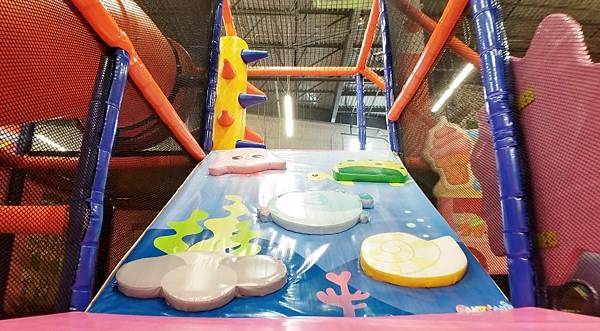
Step 3: Customization and Fabrication
With the design finalized, the focus shifts to customization and fabrication. Skilled craftsmen and engineers bring the concept to life by building custom playground equipment tailored to your specifications. From intricate climbing structures to themed playhouses and interactive installations, every element is meticulously crafted to enhance the play experience while ensuring durability and safety.
Step 4: Installation
Once the playground equipment is fabricated, it's time for installation. Experienced technicians and construction teams work diligently to assemble and install each component according to the approved design plans. Attention to detail is crucial during this phase to ensure proper alignment, anchoring, and safety measures are in place. Depending on the size and complexity of the playground, installation may take several days to complete.
Step 5: Safety Inspection and Certification
Before opening the indoor playground to the public, thorough safety inspections and certifications are essential. Qualified inspectors assess the playground equipment to ensure compliance with industry standards and regulations, including ASTM International and Consumer Product Safety Commission guidelines. Any necessary adjustments or modifications are made to address safety concerns and ensure a secure play environment for children.
Step 6: Final Touches and Grand Opening
With safety certifications in hand, it's time to add the final touches and prepare for the grand opening. Decorate the indoor playground with vibrant signage, themed decorations, and comfortable seating areas for parents and caregivers. Consider hosting a grand opening event to generate excitement and attract visitors to experience the new indoor playground firsthand. Engage with the community through promotions, social media campaigns, and special offers to make a memorable debut.
Conclusion:
Designing a custom indoor playground is a rewarding journey that requires careful planning, creativity, and attention to detail. By following these essential steps, you can create a captivating and safe play space that inspires imagination and fosters joy for children of all ages. From concept to installation, each phase contributes to the creation of a unique and memorable indoor playground experience. Want to get more? You can click www.bestonamusementrides.com for details.

請先 登入 以發表留言。