Introduction The indoor amusement industry has expanded rapidly, with increasing demand for innovative, safe, and engaging play structures. Manufacturers in this sector face intense competition, requiring strategic advancements in design, material selection, and customer engagement. To maintain market relevance, companies must integrate technological innovations, adhere to stringent safety standards, and refine their business models to meet evolving consumer expectations.
Understanding Customer Demographics in the Amusement Industry
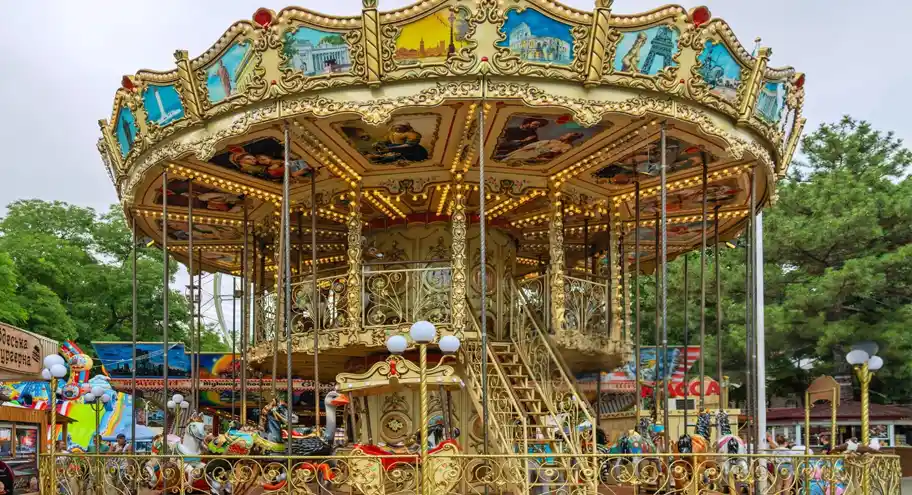
Attracting a diverse customer base is essential for the success of any amusement park or entertainment venue. Visitors range from families with young children to thrill-seeking teenagers and nostalgia-driven adults. Each group has distinct preferences, making it crucial to offer attractions that cater to a broad spectrum of guests. A well-positioned and strategically themed carousel for sale can serve as a focal point, drawing in various demographics through its visual appeal, interactive elements, and immersive design.
The double decker carousel, with its grand stature and intricate craftsmanship, enhances customer engagement by offering an experience that is both visually captivating and interactive. Unlike traditional single-level models, it maximizes vertical space, increasing ride capacity and providing an elevated vantage point. The dual-level structure creates a dynamic visual impact, making it an ideal centerpiece in high-footfall locations.
Appealing to Families and Young Children
For families, safety and accessibility are top priorities. A double decker carousel meets these needs with secure seating, gentle ride motion, and an inclusive design that allows parents to accompany children. The presence of diverse ride options, including stationary benches and animated figures, ensures that children of different comfort levels can participate.
Beyond functionality, thematic customization plays a significant role in attracting families. A carousel adorned with fairy-tale characters, mythical creatures, or beloved animals enhances its appeal to children. Parks that incorporate interactive elements, such as music synchronization and LED lighting effects, create an engaging experience that captivates young riders and encourages repeat visits.
Engaging Teenagers and Social Media Enthusiasts
Teenagers and young adults are drawn to attractions that offer social and shareable experiences. The aesthetic grandeur of a double decker carousel makes it a prime location for photography and social media content. Parks that integrate modern design elements, such as neon lighting, holographic effects, and themed overlays, can create an Instagram-worthy attraction that organically generates online exposure.
Incorporating gamification elements can further enhance appeal. Parks may introduce digital features, such as augmented reality (AR) filters that allow users to interact with the ride in new ways. Exclusive nighttime events, synchronized light shows, or music-responsive ride cycles add excitement, transforming the carousel into a must-visit attraction for tech-savvy and experience-driven visitors.
Captivating Adults and Nostalgia Seekers
For many adults, carousels evoke a sense of nostalgia, reminding them of childhood amusement park visits. A double decker carousel designed with vintage aesthetics, ornate detailing, and handcrafted figures appeals to those seeking a classic, timeless experience. Parks that highlight traditional craftsmanship and heritage design elements can attract an older audience looking for a refined and elegant ride.
Moreover, carousels serve as a popular choice for romantic outings and special occasions. Couples and event planners frequently seek picturesque settings for engagements, anniversaries, and celebrations. A double decker carousel with customizable lighting, private ride sessions, or themed seasonal decor enhances its appeal for these audiences.
Increasing Revenue Through Strategic Placement and Marketing
Beyond ride experience, strategic placement within a venue maximizes the double decker carousel’s impact. Positioning it near high-traffic areas, such as entrances, dining zones, or event spaces, increases visibility and accessibility. Complementing the ride with themed retail options, such as souvenir photo booths, carousel-inspired merchandise, and food stalls, further enhances revenue potential.
Marketing strategies should leverage the ride’s aesthetic and multi-demographic appeal. High-quality visual content, including promotional videos and influencer collaborations, can generate excitement and attract broader audiences. Additionally, offering limited-time themed experiences, such as seasonal overlays or interactive character meet-and-greets, sustains long-term visitor interest.
Conclusion
A double decker carousel is more than just a traditional ride; it is a versatile attraction that appeals to families, teenagers, and adults alike. Through thoughtful theming, interactive features, and strategic marketing, amusement venues can leverage this timeless ride to attract diverse customer groups and maximize long-term profitability.
The global amusement equipment industry is poised for significant transformation over the coming years, driven by technological innovations, evolving consumer preferences, and shifting market dynamics. As amusement parks and entertainment venues strive to provide unique, immersive experiences, understanding these emerging trends is critical for manufacturers, investors, and operators seeking to stay ahead of the curve. This article explores the key future development trends of the amusement equipment industry, focusing on ride innovations, sustainability, and the increasing demand for more engaging experiences.
Technological Integration in Amusement Rides
One of the most prominent trends shaping the future of the amusement equipment industry is the increasing integration of technology into ride designs. Virtual reality (VR) and augmented reality (AR) are becoming essential components of immersive experiences, allowing for more interactive and engaging attractions. The combination of traditional rides with virtual elements enables a new level of storytelling, where riders can experience alternate realities or enhanced environments while enjoying the physical thrill of the ride. For example, a pendulum swing ride may incorporate VR headsets to simulate a journey through space, offering a multisensory adventure that extends beyond the physical motion of swinging.
The incorporation of real-time data analytics also plays a crucial role in improving the efficiency and safety of amusement park rides. Predictive maintenance systems, powered by IoT (Internet of Things) devices, enable manufacturers to monitor ride performance, identify potential issues before they become problems, and reduce downtime. This shift toward technology-driven maintenance and operation ensures higher safety standards and more reliable performance, both critical factors in maintaining visitor satisfaction and park profitability.
As consumer demand for high-tech experiences grows, amusement equipment manufacturers are likely to continue pushing the boundaries of innovation. Incorporating interactive elements such as touchscreens, haptic feedback, and personalized experiences can attract tech-savvy visitors and enhance the overall appeal of amusement parks.
Increasing Popularity of High-Intensity Rides
High-intensity amusement rides are expected to see continued growth, driven by consumer demand for more extreme experiences. Rides such as the pirate ship amusement park ride have long been staples of amusement parks, offering thrilling motion, height, and speed that engage visitors seeking adventure and excitement. However, as the appetite for more intense and unique experiences grows, manufacturers are likely to innovate on these classic designs. The pirate ship ride itself could evolve with the addition of more intricate motion patterns, speed variations, and thematic elements to enhance the thrill factor.
Another key trend within this category is the rise of pendulum rides, which offer an even more extreme thrill by combining swinging motion with high-speed vertical lifts. The pendulum swing ride, with its dramatic arcs and rapid swings, provides a powerful adrenaline rush that appeals to thrill-seekers. As the demand for more intense and novel experiences rises, manufacturers are focusing on refining these designs, incorporating taller towers, faster swinging motions, and enhanced safety features. The next generation of pendulum rides may integrate dynamic features such as motion-controlled seats or interactive elements that adjust the intensity of the ride based on user preferences, offering a customizable experience for riders.
The continued evolution of high-intensity rides reflects the industry's broader shift towards delivering ever-more exhilarating attractions. The desire for extreme thrills is not only being fueled by younger audiences but also by the increasing popularity of theme parks that cater to all ages, ensuring that these rides remain accessible to diverse groups.
Emphasis on Sustainability and Eco-friendly Practices
In recent years, sustainability has become a key concern in all industries, and the amusement equipment sector is no exception. Environmental consciousness is driving manufacturers to explore ways to reduce energy consumption, lower carbon footprints, and utilize sustainable materials in the production of amusement rides. As governments and regulatory bodies implement stricter environmental standards, manufacturers are prioritizing eco-friendly designs and sustainable practices throughout the lifecycle of amusement equipment.
One significant development in this area is the focus on energy-efficient rides. New technologies are allowing amusement parks to power rides using renewable energy sources such as solar power or wind energy. Additionally, manufacturers are designing rides with reduced energy consumption, utilizing lighter materials and more efficient motors to lower overall operational costs. This shift towards sustainability not only helps parks meet environmental goals but also aligns with consumer expectations, particularly among eco-conscious visitors.
Furthermore, manufacturers are increasingly adopting green practices in the production process. The use of recyclable materials, eco-friendly coatings, and non-toxic paints is becoming more common in the construction of amusement rides. These practices not only contribute to the conservation of natural resources but also reflect a commitment to the health and safety of park visitors.
Customization and Theming in Amusement Rides
The demand for personalized and themed experiences is rising, with more amusement parks offering custom-designed rides that cater to specific interests or demographics. The ability to integrate distinctive themes into rides creates a more immersive experience, allowing visitors to feel more connected to the attraction. Theming can involve everything from the ride's aesthetic design to the use of multimedia elements, such as sound effects, projections, and lighting, to tell a unique story.
Theming is particularly evident in classic rides such as the pirate ship amusement park ride, which can be transformed into a fully immersive adventure by incorporating elements such as pirate-themed décor, interactive features, and even live actors. Customization options are also being extended to the riders themselves, allowing them to influence the ride experience. For instance, some parks offer interactive pendulum swing rides where users can select different intensities or embark on unique experiences based on their preferences.
This trend towards customization and theming reflects the broader shift in the industry toward creating more personalized and memorable experiences. Amusement parks are increasingly investing in rides that offer not just physical thrills but also emotional and narrative engagement. By offering unique and customizable experiences, parks can differentiate themselves from competitors and attract a broader audience.
Integration of Safety and Enhanced User Experience
Safety continues to be a paramount concern for both ride operators and manufacturers. As the industry evolves, so too does the emphasis on implementing cutting-edge safety technologies and systems. The future of amusement rides will see the integration of advanced safety features such as biometric scanners, real-time tracking systems, and AI-powered surveillance, which can monitor ride conditions and ensure that safety protocols are always followed.
Simultaneously, user experience will be further enhanced by integrating features that cater to the emotional and physical comfort of riders. From seat designs that offer improved support and comfort to intuitive ride control systems that adjust based on real-time data, the focus will shift from merely thrilling rides to comprehensive, enjoyable experiences.
Conclusion
The global amusement equipment industry is undergoing significant changes, with emerging trends focused on high-tech innovations, sustainability, and enhancing user experiences. The continued popularity of rides like the pirate ship amusement park ride and the pendulum swing ride highlights the industry's commitment to delivering thrilling experiences that engage visitors physically and emotionally. As manufacturers embrace new technologies and eco-friendly practices, the industry is set to create even more immersive, efficient, and sustainable attractions. The future of amusement parks promises exciting advancements that will continue to shape the way visitors interact with rides, ensuring an exciting and dynamic landscape for years to come.
Pirate boat rides, with their thrilling back-and-forth swinging motion, have long been a staple of amusement parks. These attractions captivate riders with the sensation of motion on open water, creating a sense of excitement that continues to draw crowds year after year. However, maintaining a pirate boat ride in optimal condition requires careful attention and consistent upkeep. Without proper maintenance, these rides can experience operational issues, posing risks to both safety and profitability. This article examines the importance of maintenance and the measures that should be taken to ensure the long-term operation of pirate boat rides.
The Role of Amusement Park Ride Manufacturers
Amusement park ride manufacturers play a crucial role in the design and initial setup of pirate boat rides. These manufacturers design and construct rides to meet safety standards and ensure long-lasting performance. However, once the ride is installed, the responsibility shifts to park operators to maintain its safety and functionality.
Manufacturers provide detailed maintenance guidelines when they deliver a ride. These guidelines include information about recommended inspection schedules, proper lubrication procedures, and details on replacing specific parts that wear out over time. They also highlight the importance of understanding the mechanical and electrical systems within the ride. By following the manufacturer's instructions, amusement park operators can minimize the risk of mechanical failure and extend the lifespan of the pirate boat ride.
Additionally, manufacturers often offer after-sales support to ensure that ride maintenance is carried out properly. This can include regular check-ins from technical experts who inspect the ride for any potential issues and suggest upgrades or replacements if necessary. For amusement parks, having a strong partnership with the ride manufacturer is critical to ensuring that the pirate boat ride remains operational and safe.
Essential Maintenance Procedures
Regular inspection and maintenance are essential to ensure that a pirate boat ride remains in working order throughout its life. Every aspect of the ride, from the swinging mechanism to the safety restraints, needs attention to prevent issues from arising.
Mechanical Inspection
The mechanical components of a pirate boat ride, particularly the swinging arm and the bearings that allow it to pivot, are under constant stress. Over time, these components can experience wear and tear, leading to reduced performance or even breakdowns. Regular mechanical inspections are essential to identify any signs of damage or excessive wear before they cause a major malfunction.
Inspecting the pivoting mechanism is one of the most important aspects of maintenance. Any misalignment or corrosion of the pivot joints can lead to a dangerous situation. The arm’s support structure must also be checked regularly for any signs of cracks or weakness that could compromise the ride’s integrity.
Additionally, the hydraulic or mechanical systems that control the motion of the boat should be checked for leaks, pressure irregularities, and signs of malfunction. This includes inspecting the fluid levels and replacing hydraulic fluids according to the manufacturer's guidelines. Regularly testing the swing motion of the boat can also help detect any irregularities in the movement, ensuring that the ride performs consistently.
Electrical Systems
Modern pirate boat rides often rely on a combination of electrical systems to control the speed, direction, and motion of the boat. These systems require regular inspection to ensure that all components, such as motors, sensors, and wiring, are functioning properly. Faulty electrical components can lead to performance issues or even ride stoppages, which can be costly for amusement park operations.
Park operators should monitor the control panels and diagnostic systems regularly. Electrical connections and wiring should be inspected for any signs of wear, fraying, or corrosion. Faulty wiring can be a fire hazard and cause the system to fail during operation, putting both riders and operators at risk. Motors, brakes, and safety mechanisms that are electrically powered must be tested to ensure they are responding accurately to the control system.
Safety Mechanisms
Safety is the top priority when maintaining any amusement park ride. Pirate boat rides come equipped with various safety features, including restraints, emergency stop buttons, and load sensors. These safety mechanisms must be checked frequently to ensure they are in proper working condition.
Restraints should be checked for any signs of wear, such as fraying or damage to the belts or buckles. The locking mechanism must engage and disengage smoothly, and the lap bars or harnesses should function as designed, ensuring that riders are securely fastened during the ride.
Additionally, emergency stop buttons should be tested regularly to ensure they are easily accessible and functioning properly. Load sensors that detect whether a ride has too many or too few passengers must also be calibrated correctly to prevent overloading, which could lead to catastrophic failure.
The Importance of Preventive Maintenance
Preventive maintenance is far more effective than reactive repairs when it comes to ensuring the longevity of a pirate boat ride. By proactively addressing potential issues before they become major problems, parks can avoid costly downtime and repair bills. This can be achieved by adhering to a regular inspection schedule, as well as keeping an eye on any components that are known to wear out over time.
For instance, the swinging mechanism on a pirate boat ride is subject to frequent stress. Over time, parts such as the bearings, hydraulic pumps, or cables can begin to degrade. By replacing these parts before they fail, parks can avoid unexpected ride stoppages and reduce the likelihood of safety incidents.
Furthermore, implementing a routine cleaning schedule can prevent dirt and debris from accumulating in critical components such as motors, bearings, and electrical connections. Keeping these components clean and free of obstructions ensures they function properly and reduces the risk of failure.
Training and Staffing for Effective Maintenance
Proper training and a dedicated maintenance team are key to the success of a pirate boat ride's operation. Operators and maintenance staff should be well-versed in the technical specifications of the ride and understand how to perform routine checks and repairs. Training programs should include both theoretical knowledge and practical, hands-on experience with the ride.
Having a qualified team that can quickly address issues as they arise ensures that the ride remains safe for passengers. Operators should be able to conduct basic checks before the ride begins, ensuring that the safety restraints are functioning properly, the electrical systems are operational, and there are no visible signs of wear on the mechanical components. More advanced repairs should be carried out by specialized technicians who are familiar with the ride's specific systems.
Conclusion
The long-term success of a pirate boat ride depends on the maintenance practices in place. Regular inspection and upkeep, informed by the guidelines provided by amusement park ride manufacturers, are essential for ensuring the ride’s smooth operation and safety. Mechanical and electrical systems, as well as safety mechanisms, must be checked frequently to detect any signs of wear and prevent major failures. Preventive maintenance, when combined with proper training and skilled personnel, will help amusement parks maintain their pirate boat rides in optimal condition, keeping them operational for years to come.
A Ferris wheel is a timeless centerpiece for any amusement park, offering both thrilling experiences and breathtaking views. Selecting the right Ferris wheel for your park is a crucial decision that impacts guest satisfaction, operational efficiency, and overall appeal. This guide outlines the essential considerations and steps involved in choosing the most suitable Ferris wheel for your amusement park. Understanding the Types of Ferris Wheels
Redefining Visitor Engagement through Technological Integration The modern amusement industry demands a constant evolution of experiences to captivate visitors and maintain competitive advantage. Integrating cutting-edge technologies such as augmented reality (AR) and virtual reality (VR) can transform conventional ride experiences into immersive adventures. These technologies allow operators to craft customizable narratives, offering guests the opportunity to engage in dynamic, interactive environments that extend beyond traditional ride mechanics.
When making substantial investments in amusement park attractions, few choices promise as much potential for engagement and returns as a custom double decker carousel. These towering, two-tiered rides offer an experience that combines nostalgia with innovative design, making them a prime asset for any park looking to stand out. As such, strategically maximizing the return on investment (ROI) from these attractions requires a multi-faceted approach, from initial selection to operational management. The Appeal of a Carousel for Sale
As technology continues to advance, so too do the opportunities for investment in amusement park rides. Pendulum rides, long known for their exhilarating swinging motions and gravity-defying thrills, are benefiting greatly from innovations that increase both their appeal and financial viability. These rides have evolved from simple mechanical swings into complex, high-tech attractions, combining cutting-edge design with interactive elements. The infusion of modern technology into pendulum rides has led to enhanced safety features, increased operational efficiency, and greater appeal to modern audiences, making them more attractive investment opportunities for amusement park operators.
Technological Innovations Driving the Demand for Pendulum Rides
The ongoing advancements in technology have made pendulum rides more appealing to both consumers and investors. One major factor in the increased investment prospects is the sophistication of modern ride mechanisms. The introduction of state-of-the-art materials and automated systems has significantly improved the durability and longevity of pendulum rides. Operators seeking pendulum rides for sale now have access to more efficient designs, which translate into lower maintenance costs and higher operational uptime.
The inclusion of advanced computer systems allows for precise control of the swinging motion, offering smoother experiences and safer rides. These systems can adapt to various factors such as weather conditions, crowd size, and real-time load monitoring. Moreover, modern pendulum rides now feature enhanced ride tracking and diagnostic capabilities, enabling operators to predict maintenance needs before issues arise. This predictive maintenance helps minimize downtime and improve profitability, making pendulum rides a more attractive option for investors.
Additionally, the integration of safety technologies such as smart restraints, motion sensors, and emergency stop systems ensures a higher level of guest safety. These innovations allow pendulum rides to be more reliable, reducing the risk of accidents and ensuring a better experience for riders. The result is a greater return on investment for operators and heightened interest from stakeholders looking to capitalize on the growing demand for cutting-edge amusement attractions.
Enhanced Guest Experience and Attraction Appeal
Another key factor in the growing investment potential of pendulum rides lies in their ability to deliver enhanced guest experiences. The introduction of immersive technology, such as augmented reality (AR) and virtual reality (VR), has created a new layer of interactivity for pendulum ride riders. Investors and operators are increasingly aware that modern consumers are looking for more than just a thrilling physical experience—they want emotional engagement and memorable moments that they can share on social media.
By incorporating amusement park rides for sale that feature these immersive technologies, parks can offer a unique and personalized ride experience. For example, AR can be used to project virtual environments around riders as they swing, creating the illusion of flying through outer space or battling pirates. VR elements could also be introduced to transport riders into fantasy worlds, adding an extra layer of excitement that traditional rides cannot offer.
This combination of technology and creativity drives the attraction's photo-worthiness, as visitors are more likely to take photos or videos of their experiences, which in turn generates organic social media exposure. Social media shares significantly increase the visibility of these rides and help parks attract new visitors. The ability to provide a visually captivating, interactive experience has raised the bar for pendulum rides, making them an appealing option for investors seeking to capitalize on trends in entertainment technology.
Sustainability and Energy Efficiency
Sustainability is a growing concern in the entertainment industry, and pendulum rides are no exception. Today’s investors are increasingly prioritizing environmentally conscious options, which can provide long-term financial benefits. Modern pendulum ride designs incorporate energy-efficient systems, reducing energy consumption while maintaining the same level of performance. Regenerative braking systems, for example, capture and reuse energy generated during the ride’s deceleration phase, leading to a reduction in electricity costs and a smaller carbon footprint.
These environmentally friendly technologies can also enhance the attractiveness of pendulum rides to parks and municipalities focused on sustainability. By choosing energy-efficient models, amusement parks not only contribute to environmental conservation but also benefit from operational savings. Investors seeking projects with both strong economic returns and a positive environmental impact find these sustainable features particularly appealing.
As the demand for sustainable tourism and entertainment grows, the integration of energy-efficient features into pendulum rides is likely to become even more important, further enhancing their investment potential.
The Role of Data Analytics in Improving Operational Efficiency
The use of data analytics is another area where technological advancements have significantly enhanced the investment prospects of pendulum rides. Operators can now collect vast amounts of data on ride performance, guest preferences, and ride statistics through connected systems and sensors. This data can be analyzed in real time to improve ride efficiency and the overall guest experience.
For instance, predictive analytics can determine peak operating times, helping operators adjust staffing and maintenance schedules accordingly. By leveraging this data, parks can minimize wait times, optimize resource allocation, and improve the efficiency of the entire ride operation. Additionally, data can be used to personalize the experience for visitors by tailoring the ride’s performance based on individual preferences, ensuring a more engaging and enjoyable experience.
From an investor's perspective, the ability to utilize data for continuous improvement is an important factor in the long-term success of any amusement ride. Data-driven insights lead to better decision-making, higher operational efficiency, and increased profitability, making pendulum rides a more viable investment opportunity.
Future Prospects and Conclusion
Looking ahead, the investment prospects for pendulum rides are poised to expand even further with the integration of emerging technologies such as artificial intelligence (AI) and machine learning (ML). AI-driven systems can be used to analyze guest behavior and preferences, creating tailored ride experiences that evolve based on individual feedback. These advancements will not only enhance the guest experience but also open up new revenue streams for amusement parks through personalized offerings and dynamic pricing models.
In conclusion, the innovative technologies integrated into pendulum rides have significantly improved their investment potential. From enhanced safety features and immersive guest experiences to energy-efficient systems and data analytics, these advancements have made pendulum rides a more attractive option for investors in the amusement park industry. As the demand for cutting-edge entertainment grows, pendulum rides are well-positioned to continue thriving, offering long-term financial benefits and a high return on investment for those looking to capitalize on the evolving landscape of modern amusement attractions.
Introduction The structural integrity and longevity of a pirate ship ride depend on the careful selection of materials. Manufacturers must balance durability, safety, aesthetics, and cost-efficiency to ensure that each ride meets industry standards while delivering an exhilarating experience. Advanced material engineering plays a crucial role in enhancing performance, minimizing maintenance, and improving overall ride quality.
The indoor playground equipment market has evolved rapidly, driven by an increasing demand for family-friendly entertainment solutions. As urbanization continues to rise and more families seek accessible leisure options, the indoor playground sector is expanding across various regions. This growth is further fueled by the increasing emphasis on safety, creativity, and interactive experiences in play environments. Investors and stakeholders are carefully navigating this landscape, identifying both trends and challenges, and seeking opportunities to capitalize on the growing market.
Emerging Trends in the Indoor Playground Equipment Market
One of the prominent trends in the indoor playground equipment market is the shift toward more immersive and interactive play experiences. Unlike traditional playground setups, modern indoor playgrounds integrate technology and innovative designs to create engaging environments for children. Augmented reality (AR) and interactive screens are being incorporated into play structures, enabling children to participate in virtual games while enjoying physical play. This technological integration is not only appealing to tech-savvy young audiences but also aligns with the evolving preferences of parents who seek educational and developmental benefits from their children's entertainment.
Additionally, safety standards have become increasingly stringent, with a focus on non-toxic materials, durable construction, and ergonomic designs. Manufacturers are prioritizing safety features, such as soft landing zones, smooth surfaces, and age-appropriate equipment, ensuring that the products meet or exceed the highest regulatory standards. This heightened focus on safety has led to the creation of more robust commercial indoor playground equipment, built to withstand heavy use while maintaining a fun and secure environment for children.
As the demand for such equipment continues to rise, there is a noticeable increase in the availability of indoor playground equipment for sale. Retailers and manufacturers are now offering a broader variety of designs, sizes, and customization options to cater to a wide range of indoor spaces, from small play areas in malls to expansive entertainment complexes. This influx of options has led to greater competition in the market, providing customers with more choices and more competitive pricing. The global reach of online marketplaces has made it easier for buyers to access indoor playground equipment, spurring growth in both residential and commercial sectors.
Investment Opportunities in Commercial Indoor Playground Equipment
The commercial indoor playground equipment sector, in particular, has attracted significant attention from investors. This segment includes equipment designed for public spaces such as shopping malls, entertainment centers, and recreation facilities. These venues seek to provide a safe, enjoyable, and stimulating environment for children, positioning themselves as destinations for families seeking entertainment. Commercial indoor playground equipment offers a substantial return on investment due to its ability to attract high foot traffic, particularly in family-oriented or tourist-heavy areas.
Investors are increasingly drawn to the commercial potential of indoor playground equipment, with many seeing it as a way to diversify their portfolios. The rise in disposable income, especially in emerging markets, has fueled the demand for recreational spaces, driving the growth of large-scale indoor play areas. Commercial playgrounds that combine physical play with interactive technology are proving particularly successful, as they appeal to a broad demographic that values both entertainment and education.
Given the scale and complexity of commercial indoor playground installations, these ventures often require significant upfront investment. This includes the cost of high-quality, durable equipment, installation services, and maintenance. Additionally, site selection plays a critical role in the success of commercial playgrounds. Locations that are near high-traffic areas, such as shopping malls or tourist attractions, are more likely to generate consistent foot traffic and deliver a positive return on investment. Understanding local market dynamics, including the preferences of target audiences and the competitive landscape, is crucial when planning and developing these commercial play areas.
Sustainability and Eco-Friendly Designs
As the global market becomes more environmentally conscious, sustainability has become a key consideration in the development of indoor playground equipment. Manufacturers are increasingly using eco-friendly materials such as recycled plastics, sustainable woods, and non-toxic paints to create playground structures that align with green building standards. This trend is especially important in regions where environmental regulations are stricter, and consumers are more likely to prioritize sustainable products.
Moreover, eco-conscious buyers are also looking for equipment that is designed for longevity. Commercial indoor playground equipment is expected to withstand constant use, making durability a key factor in purchasing decisions. Equipment that is modular and can be easily adapted or expanded is particularly appealing, as it allows businesses to customize their play areas over time without incurring high costs.
This shift toward sustainability is also reflected in the growing demand for energy-efficient features in indoor playgrounds. Some manufacturers are integrating energy-saving lighting, water-efficient features, and renewable energy sources into their designs, further reducing the environmental footprint of these play areas. By offering these eco-friendly options, manufacturers and investors can meet the expectations of increasingly conscientious consumers and businesses alike.
The Role of Safety and Regulatory Compliance
Safety remains a critical concern in the indoor playground equipment market. Manufacturers must adhere to stringent safety regulations that vary by region, ensuring that the equipment meets safety standards set by local authorities. For commercial playgrounds, meeting these safety standards is not only a legal requirement but also an essential element in maintaining consumer trust and brand reputation. Play areas that are perceived as unsafe or poorly constructed can significantly impact a business’s profitability.
Regulatory bodies such as ASTM International and the Consumer Product Safety Commission (CPSC) set guidelines for indoor playground equipment, including recommendations for design, installation, and maintenance. These guidelines cover everything from the strength and durability of materials to the layout of the play area, including height restrictions and fall zones. Playground owners and operators must stay updated on these regulations to ensure that their equipment is compliant and that their facilities are regularly inspected.
Investors in the commercial indoor playground sector must also factor in the ongoing costs of maintaining safety standards. Regular maintenance, inspection, and repair services are essential to prolong the life of the equipment and ensure that it remains safe for children. Failure to adhere to safety guidelines can lead to liability issues, increased insurance costs, and a loss of customer confidence.
Conclusion
The indoor playground equipment market presents significant investment opportunities, driven by growing demand for recreational spaces and the rising importance of safety, technology, and sustainability. Both residential and commercial sectors are benefiting from innovations that offer more engaging, interactive, and eco-friendly play experiences. The commercial indoor playground equipment sector, in particular, is thriving, offering substantial returns for investors willing to navigate the complexities of site selection, compliance, and long-term maintenance.
As the market continues to evolve, staying attuned to trends such as technological integration, sustainability, and safety compliance will be key to capturing growth opportunities. Investors and manufacturers who can meet these demands while offering high-quality, durable, and engaging play environments will be best positioned to succeed in the competitive indoor playground equipment market.