Introduction


In the competitive landscape of modern entertainment facilities, the demand for versatile and engaging indoor playgrounds is on the rise. These spaces serve not only as recreational hubs but also as valuable assets for businesses aiming to attract families and promote repeat visits. Customization is becoming a key differentiator, allowing operators to design playgrounds that align with their branding, cater to specific demographics, and optimize available space.


Why Indoor Playground Structures Matter


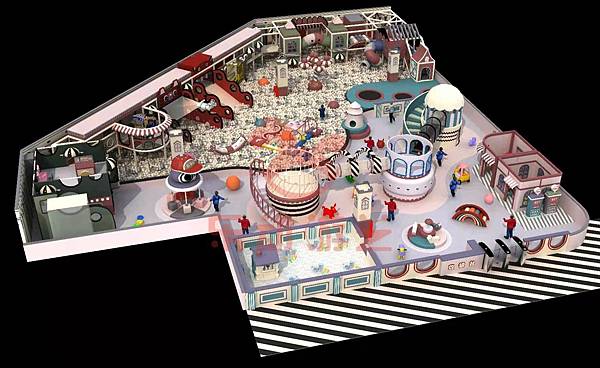
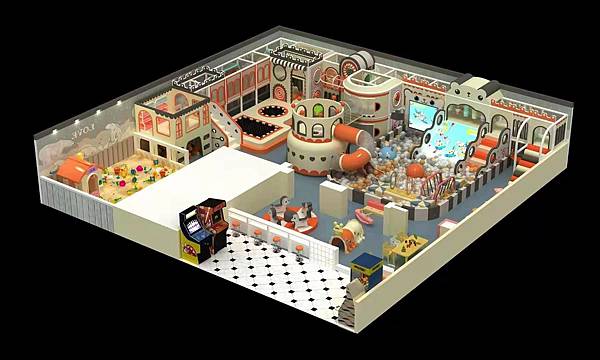
Indoor playground structures are the backbone of any play area, providing the framework for creativity and exploration. These structures must balance safety and innovation to ensure children have enjoyable yet secure experiences. Modular designs, advanced materials, and cutting-edge manufacturing techniques allow for extensive customization. From vibrant climbing walls to multi-level platforms with slides, the possibilities are vast. By tailoring these components, businesses can create unique and memorable spaces that resonate with their target audience.

Tailored Solutions for Commerc


Advantages of Customizing Commercial Indoor Play Area Equipment


Commercial indoor play area equipment is no longer a one-size-fits-all solution. Customization offers an array of benefits, transforming generic play zones into standout attractions. Facilities can adjust dimensions to fit irregular spaces, incorporate branding through color schemes and logos, or include culturally relevant themes.


For instance, themed zones such as underwater adventures, jungle explorations, or futuristic space missions captivate young visitors and elevate the overall ambiance of the venue. Customized equipment also ensures compliance with local regulations and safety standards, offering peace of mind to both operators and patrons.


Key Customization Options to Consider


1. Age-Specific Design


One critical aspect of customization is catering to different age groups. Toddler areas with soft play zones and sensory panels differ significantly from playgrounds designed for older children featuring obstacle courses or zip lines. Businesses can design sections with age-appropriate challenges, ensuring every child enjoys a tailored experience.


2. Space Optimization


Indoor spaces often come with layout constraints. Custom equipment allows for intelligent use of available square footage. Vertical designs, compact play zones, and interconnected structures maximize capacity without compromising the user experience. Whether it's a small corner in a café or a dedicated hall in a shopping center, efficient designs can fit anywhere.


3. Inclusive Features


An increasing emphasis on inclusivity has spurred the demand for equipment that accommodates children with disabilities. Adaptive swings, ramps, and interactive sensory areas create an environment where all children can participate. This not only enriches the experience but also demonstrates the business’s commitment to social responsibility.


4. Advanced Technology Integration


Interactive play elements, such as motion-activated games or augmented reality experiences, add a futuristic twist to traditional playgrounds. Custom solutions can seamlessly incorporate these technologies, creating immersive and captivating play scenarios that appeal to tech-savvy families.


Materials and Durability


The materials used in indoor playground equipment play a crucial role in durability, maintenance, and aesthetics. High-grade plastics, powder-coated steel, and foam-padded surfaces are popular choices due to their longevity and ease of cleaning. Customization allows for selecting materials that suit specific environmental needs, such as anti-microbial coatings for healthcare facilities or eco-friendly options for sustainability-focused venues.


Safety Standards and Certifications


Customized equipment should never compromise on safety. Businesses must ensure all components meet stringent international safety standards, such as ASTM or EN certifications. Incorporating protective barriers, soft landing zones, and impact-resistant materials enhances safety and reduces liability risks.


Branding Opportunities


Customizing playgrounds also opens the door for branding opportunities. Brightly colored equipment in a company’s signature palette, mascots integrated into the design, or themed storytelling aligned with the business ethos can create lasting impressions. These branding elements help businesses stand out and reinforce customer loyalty.


Cost Considerations


While customization can be more expensive than off-the-shelf solutions, the return on investment often justifies the expenditure. A well-designed play area attracts more visitors, increases dwell time, and generates higher revenue through admission fees, food sales, or complementary services. Strategic planning and consultation with experienced manufacturers can help businesses strike the right balance between cost and customization.


Maintenance and Longevity


Custom equipment requires regular maintenance to preserve its functionality and aesthetic appeal. Choosing durable materials and collaborating with reputable suppliers ensures a longer lifespan. Modular designs also facilitate easy replacement of worn-out components, minimizing downtime and costs.


Conclusion


Investing in customized commercial indoor play area equipment allows businesses to stand out in an increasingly competitive market. From tailored indoor playground structures to tech-enhanced features and branded designs, the options are limitless. By focusing on safety, inclusivity, and innovation, companies can create engaging spaces that delight children while driving business growth.





Beston Park 發表在 痞客邦 留言(0) 人氣()

Training Carousel Operators: E
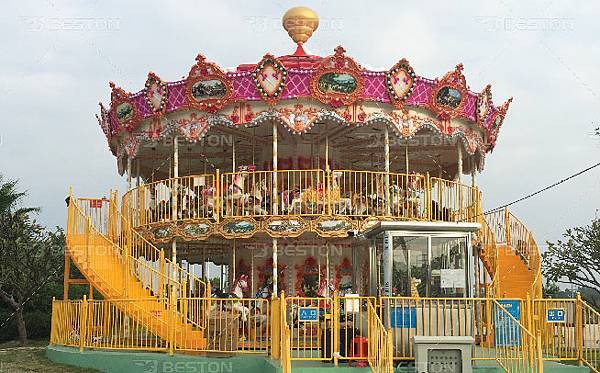
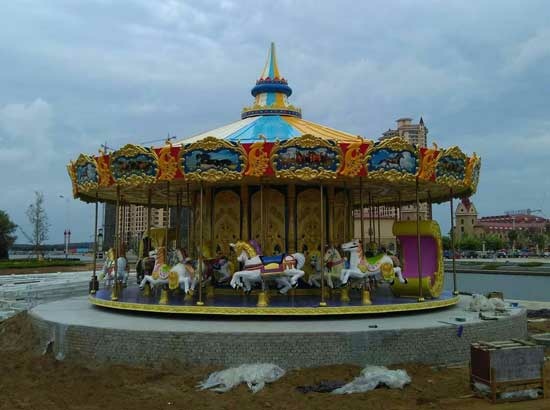
Carousels, with their timeless charm and universal appeal, are among the most beloved amusement rides. However, their operation demands more than a simple push of a button. Proper training ensures both safety and an enjoyable experience for riders. From technical expertise to soft skills, training carousel operators is a multifaceted process that requires meticulous attention to detail.
Understanding the Operator’s Role

Beston Park 發表在 痞客邦 留言(0) 人氣()


Constructing a Ferris wheel is an intricate process that blends engineering precision with creative flair. The costs involved in building one can vary significantly based on multiple factors. From the size and design to regulatory requirements and location, understanding these elements is crucial for anyone looking to add this iconic attraction to their portfolio.


Design Complexity and Size


The design of a Ferris wheel plays a pivotal role in determining the overall cost. Larger wheels, often referred to as "big wheels" in the amusement park industry, require more substantial investments. Their size dictates not only the materials needed but also the engineering challenges involved in ensuring structural integrity.


A Ferris wheel with an innovative design, such as one featuring enclosed cabins or LED lighting systems, will naturally cost more than a traditional open-air model. These additions enhance the ride experience but involve higher manufacturing and installation expenses. Opting for a custom design can further escalate costs due to the specialized expertise required to bring the vision to life.


Materials and Manufacturing


The choice of materials is another critical factor influencing the ferris wheel cost to build. High-quality steel and aluminum alloys are often used to ensure durability and safety, especially for structures designed to last decades. However, these materials come with a premium price tag.


Beyond the materials themselves, the manufacturing process also contributes to costs. Precision engineering is required to fabricate components such as the axle, spokes, and gondolas. Additionally, quality assurance measures, such as stress testing and compliance with industry standards, further add to the expenses.


Factors That Determine the Cos


Location and Infrastructure


Where the Ferris wheel will be installed significantly impacts the budget. Urban areas or waterfront locations often require additional infrastructure, such as reinforced foundations or specialized anchoring systems, to support the structure. Local zoning laws and environmental considerations may also necessitate further investment.


In some cases, remote or difficult-to-access locations can drive up logistical costs. Transporting components and assembling them on-site requires specialized equipment and skilled personnel, which can increase the overall expense.


Regulatory Compliance


Compliance with safety standards and regulations is non-negotiable in the amusement industry. Ferris wheels are subject to rigorous inspections to ensure rider safety. Meeting these requirements often involves substantial upfront costs for design modifications, documentation, and certification processes.


Depending on the region, additional approvals may be required for noise control, lighting effects, or environmental impact. Each regulatory hurdle contributes to the timeline and cost of the project.


Installation and Labor


The process of erecting a Ferris wheel is labor-intensive and requires a skilled workforce. Engineers, electricians, and construction teams must work in unison to assemble the structure accurately and safely. Labor costs can vary widely depending on the project's location and complexity.


Moreover, specialized machinery such as cranes is often needed to position the larger components. These heavy-duty machines, along with operators trained to handle them, represent another significant cost.


Maintenance Considerations


Although primarily a post-construction expense, maintenance is a critical factor to consider during the planning stage. The choice of materials, design, and operational features directly affects long-term upkeep costs. Using high-quality components may increase initial costs but can reduce maintenance demands and extend the lifespan of the Ferris wheel.


Regular inspections, lubrication of moving parts, and replacement of worn-out components are part of ongoing maintenance. Incorporating these factors into the initial budget can help prevent unexpected expenses in the future.


The Role of Technology


Modern Ferris wheels often integrate advanced technology to enhance the rider experience. Features like climate-controlled cabins, synchronized lighting, and automated operation systems are becoming increasingly popular. However, these innovations come at a price.


The installation of cutting-edge technology requires not only sophisticated equipment but also expertise in programming and troubleshooting. While these features elevate the Ferris wheel's appeal, they add layers of complexity—and cost—to the project.


Financing and Cost Recovery


Given the significant investment required to build a Ferris wheel, many developers explore financing options. Loans, grants, or partnerships with local governments and private investors can help offset initial expenses. It's also crucial to consider how the Ferris wheel will generate revenue.


Big wheel amusement park attractions often serve as anchor points, drawing visitors and increasing overall park attendance. Ticket sales, sponsorships, and promotional events can all contribute to cost recovery, but a detailed financial plan is essential to ensure profitability.


Conclusion


Building a Ferris wheel is a monumental undertaking that requires careful planning and substantial resources. From material selection to regulatory compliance, each decision impacts the total cost and long-term viability of the project. Whether you're envisioning a small, classic model or a towering big wheel for an amusement park, understanding these cost drivers is the first step toward success.


With the right strategy and attention to detail, a Ferris wheel can become a landmark attraction that delivers lasting value for both operators and visitors alike.


Beston Park 發表在 痞客邦 留言(0) 人氣()


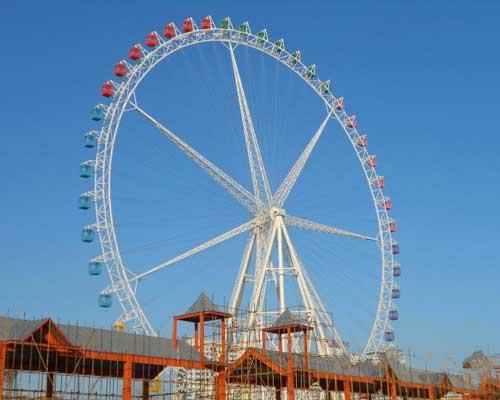
Operating a large ferris wheel requires meticulous attention to safety and performance. Daily maintenance is crucial to ensure the ride operates smoothly, safely, and efficiently for both operators and riders. Regular checks and routine upkeep can extend the lifespan of the ride, prevent costly repairs, and mitigate the risk of operational downtime. Below, we will explore essential daily maintenance tips for a large ferris wheel that operators should follow to maintain its optimal functioning.


Understanding the Ferris Wheel's Components


Before delving into daily maintenance tasks, it’s important to understand the main components of a ferris wheel. A typical large ferris wheel consists of the rotating wheel structure, gondolas or cabins, drive motors, electrical systems, and support mechanisms. All of these parts must be in good working order to ensure the safe operation of the ride.


If you are considering a ferris wheel to buy for a commercial amusement park or event venue, it is essential to factor in the maintenance requirements alongside the initial cost. Whether you are purchasing a brand-new model or acquiring a used one, understanding the maintenance needs will help you better manage operational costs and prevent unexpected downtimes.


Daily Maintenance Tasks for a Large Ferris Wheel


1. Visual Inspection of the Wheel Structure


A large ferris wheel is a massive structure, and daily inspection is essential for identifying any visible signs of wear or damage. Operators should begin each day by checking the wheel frame and supporting pillars. Look for any cracks, bends, or corrosion in the metal components, which could be a sign of structural fatigue or exposure to the elements. Pay particular attention to areas that experience high stress, such as the joints and connection points between the wheel’s frame and the axle.


Check for any loose bolts or fasteners that may have come undone overnight. These small issues can lead to larger mechanical problems if not addressed immediately. Inspecting the wheel's frame daily ensures that potential issues are caught early before they escalate into significant safety concerns.


Daily Maintenance Tips for a L


2. Lubrication of Moving Parts


Ferris wheels operate through a series of moving parts, including the motor, gearbox, and bearings. It is essential to lubricate these components regularly to reduce friction, prevent overheating, and ensure smooth rotation. In the daily maintenance routine, operators should lubricate key areas such as the wheel’s bearings, axles, and gear systems. If your ferris wheel is large, the lubrication schedule may require specialized grease or oil depending on the size and material of the components.


Daily checks should ensure that lubrication levels are adequate and that there are no signs of leakage or excessive buildup. Over-lubrication or insufficient lubrication can lead to mechanical failure, so it’s important to follow the manufacturer's recommendations regarding lubrication intervals and methods.


3. Checking the Electrical Systems


The electrical system of a ferris wheel controls the drive motor, lighting, and safety sensors. Daily checks of the electrical system are crucial to prevent electrical malfunctions, which could cause interruptions in the ride’s operation. Inspect the power supply, connections, and wires for any signs of wear or damage. Look for frayed wires or exposed cables that could potentially pose a fire hazard.


Additionally, check the electrical panel and circuit breakers to ensure they are functioning properly. Operators should test the emergency stop button and safety sensors to make sure that they are responsive and in good working order. The lighting system should also be inspected, as faulty lighting can cause visibility issues during night operations and reduce the ride's overall appeal.


4. Testing the Safety Mechanisms


A large ferris wheel is a high-capacity ride, and safety is paramount. Operators should conduct a series of tests each day to ensure that all safety mechanisms are functioning properly. This includes the safety restraints on each gondola or cabin, the locking mechanisms, and the emergency evacuation systems.


Check the operation of the safety gates, making sure they open and close smoothly and securely. Inspect the seats and lap bars in each gondola for proper locking mechanisms. Any malfunctions in these areas should be addressed immediately to avoid safety risks to passengers.


Additionally, run a test cycle of the ferris wheel to ensure that the braking systems are functioning effectively. The brakes should engage smoothly, and the wheel should come to a complete stop without any unusual delays or jerking motions.


5. Inspecting the Gondolas


The gondolas or cabins of a ferris wheel are exposed to significant wear over time, especially when accommodating large numbers of passengers. Daily maintenance checks should include inspecting the gondolas for any visible damage or wear to the seating, windows, and safety restraints. Look for cracked or broken windows, loose seating, or damaged components that could pose a risk to riders.


Additionally, check the condition of the entry/exit doors to ensure they open and close properly. Ensure that all safety signage is clearly visible and intact inside each gondola. These inspections help maintain the overall integrity of the ride and ensure that passengers experience a safe and comfortable ride.


6. Verifying the Drive Mechanism


The drive mechanism, typically powered by an electric motor, is responsible for the rotation of the ferris wheel. This mechanism should be inspected daily for any unusual noises or vibrations that may indicate a mechanical issue. Listen carefully to the motor’s operation during test cycles to ensure it runs smoothly.


Operators should also inspect the gearbox, drive belts, and pulleys, looking for any signs of wear or misalignment. These parts are essential for transferring power to the wheel, and any damage could disrupt the ride’s rotation. Ensuring that the drive mechanism is in good condition will minimize the risk of breakdowns.


7. Reviewing the Control Panel and Software


Modern ferris wheels often rely on sophisticated control panels and software to monitor the ride’s performance and ensure safe operation. Operators should inspect the control panel daily, ensuring that all screens and buttons are functioning correctly. Run through the control system’s diagnostics to check for any error codes or alerts that may require attention.


Additionally, ensure that all backup systems, such as manual overrides and emergency shutdown procedures, are clearly accessible and functional in case of an emergency. If the ferris wheel uses automated software to control speed, rotation, and timing, it is important to verify that the software is up-to-date and operating as intended.


8. Weather-Related Adjustments


Weather conditions can have a significant impact on the operation of a ferris wheel, especially in areas prone to extreme temperatures, high winds, or heavy rainfall. Operators should adjust the maintenance routine based on the weather conditions. For instance, if the weather forecast predicts high winds, operators should inspect the stabilizing supports and check that the ferris wheel is properly secured. In extremely cold temperatures, lubrication may need to be adjusted to ensure the wheel's components do not freeze or become brittle.


Conclusion


Daily maintenance of a large ferris wheel is critical to ensuring its safe and efficient operation. By performing thorough inspections of the wheel structure, lubricating moving parts, checking the electrical system, and testing safety mechanisms, operators can keep the ride running smoothly and minimize the risk of unexpected breakdowns. Regular attention to gondolas, the drive mechanism, and control panels further ensures the ride meets safety and performance standards.


If you are considering a ferris wheel to buy, understanding these daily maintenance tasks is essential. Investing in a ferris wheel comes with the responsibility of maintaining it properly to ensure a safe, enjoyable experience for riders. By adhering to a strict maintenance routine, operators can extend the lifespan of the ferris wheel and provide a consistently high-quality ride experience.


Beston Park 發表在 痞客邦 留言(0) 人氣()

Experiencing the Thrill of a S
A swing ride, a staple attraction at amusement parks, offers an exciting and unique experience that blends gentle motion with thrilling heights. Designed to simulate the sensation of flying, it offers riders a dynamic balance between calmness and exhilaration. As the ride begins, passengers are suspended in the air, held securely in seats that are attached to rotating arms. As the ride gains speed, the arms swing outward, creating an effect that mimics a soaring flight. The feeling of weightlessness combined with the open-air experience creates a captivating journey for thrill-seekers and casual riders alike.
When considering the addition of swing rides to an amusement venue, there are several factors that come into play. Theme park rides for sale can vary significantly in design, size, and capacity, providing a wide range of options to suit the specific needs of an entertainment venue. A swing ride, for example, can be a smaller, more compact version, ideal for family-friendly areas, or a larger, high-speed variation that offers more intense experiences for thrill-seeking guests. Regardless of the configuration, all swing rides maintain the core elements that define the experience – the spinning motion, the upward lift, and the outward swing.

Beston Park 發表在 痞客邦 留言(0) 人氣()

Maintenance and Care: Common P
Maintaining outdoor amusement rides like carousels and Ferris wheels involves meticulous attention to both detail and safety. These iconic rides, each with distinct mechanisms and historical allure, require ongoing maintenance to ensure smooth operation and the safety of riders. From routine inspections to specialized care, both outdoor carousel and Ferris wheel structures demand unique yet comparable maintenance practices that account for their large-scale mechanical parts and exposure to environmental elements.
Understanding the Structure and Vulnerabilities of Outdoor Carousels

Beston Park 發表在 痞客邦 留言(0) 人氣()

Investment Returns and Market
As the amusement park industry continues to evolve, custom family coasters have emerged as popular, versatile attractions, capable of drawing a wide range of visitors. From their relatively low-impact thrills to creative thematic possibilities, family coaster rides offer significant potential for parks looking to broaden appeal while maximizing returns. However, the process of designing and implementing these attractions requires strategic investment and an agile approach to feedback loops that reflect the needs and desires of modern audiences.
Creating a successful family coaster is more than a simple design challenge. It requires a precise understanding of both market trends and customer expectations, which play a pivotal role in securing a return on investment. These attractions have a unique role, as they must balance thrills with accessibility, and are designed to cater to multiple demographics—from thrill-seeking children to nostalgic adults—without alienating either.

Beston Park 發表在 痞客邦 留言(0) 人氣()


The indoor playground industry has experienced significant growth in recent years, driven by the increasing demand for child-friendly recreational spaces. This surge has brought new challenges and opportunities for indoor play area equipment suppliers. Suppliers play a crucial role in maintaining the quality, safety, and operational efficiency of these play areas, ensuring they meet both customer expectations and regulatory standards. Proper management practices and operational recommendations can help suppliers remain competitive while providing high-quality products.


Best Practices for Indoor Play


Supplier-Client Collaboration


A key operational focus for indoor play area equipment suppliers should be building strong, long-term relationships with clients. The supplier’s role extends beyond delivering equipment; it involves understanding the specific needs of the venue, whether it's a small daycare facility, a large commercial indoor play center, or a shopping mall. By offering tailored solutions, suppliers can provide equipment that aligns with the venue's spatial limitations, theme, and target audience.


Regular communication with clients throughout the design, manufacturing, and installation processes is crucial. Early collaboration allows suppliers to offer expert advice on equipment layout, ensuring optimal usage of space and enhancing safety. Suppliers should also provide ongoing support post-installation, addressing any maintenance needs or operational questions to ensure the play equipment continues to function efficiently. This not only strengthens client relationships but also encourages repeat business and referrals.


Managing Commercial Indoor Playground Equipment Cost


The commercial indoor playground equipment cost can vary widely depending on factors like the size of the facility, the complexity of the equipment, and any customization options. Suppliers must be transparent with clients about the total costs involved, breaking down expenses such as design fees, material costs, shipping, and installation. This ensures clients have a clear understanding of what they are paying for and helps to avoid potential disputes down the line.


Moreover, suppliers should offer flexible pricing models to accommodate different budgetary needs. For example, leasing options or payment plans can make high-quality equipment more accessible to smaller businesses or new operators entering the market. Suppliers can also provide value by offering package deals that include not only the play structures but also essential features such as flooring, lighting, and safety mats, helping clients get more comprehensive solutions at a better price point.


Effective cost management also applies internally to the supplier’s operations. By optimizing production processes, sourcing materials efficiently, and reducing unnecessary overheads, suppliers can offer competitive pricing without sacrificing quality. Furthermore, investing in durable, long-lasting materials ensures that equipment remains in good condition for years, minimizing the need for frequent replacements and reducing the long-term cost for both suppliers and clients.


Prioritizing Safety and Compliance


One of the most critical responsibilities of any indoor play area equipment supplier is ensuring that the equipment they manufacture and sell adheres to safety regulations. Indoor playgrounds cater primarily to young children, making safety an absolute priority. Suppliers must be well-versed in the latest safety standards, such as those set by ASTM International (American Society for Testing and Materials) or the European Norm (EN) standards.


All equipment should be rigorously tested to ensure it can withstand heavy usage without compromising structural integrity. Additionally, suppliers should design equipment to minimize risks, such as falls or entrapment. Features like soft padding, rounded edges, and non-toxic materials should be standard across all products. Regular audits and updates to safety protocols are essential to maintain compliance with evolving industry standards.


Beyond equipment safety, suppliers must also educate their clients on the importance of proper supervision and routine maintenance. While the supplier’s responsibility is to deliver compliant equipment, clients must be aware of their role in ensuring that the playground remains a safe environment through regular checks and professional maintenance services.


Innovation in Design and Functionality


Innovation is a key differentiator in the indoor playground market, and suppliers who embrace creativity in their designs can stand out from the competition. Modern indoor playgrounds go beyond traditional slides and climbing frames, often incorporating interactive elements such as sensory play areas, digital integration, and themed environments. For instance, immersive designs based on popular themes or adventure parks can create a more engaging experience for children and boost the attractiveness of a facility.


Indoor play area equipment suppliers should invest in research and development to continuously improve their offerings. Introducing innovative materials that are more durable, easier to clean, or environmentally friendly can be a strong selling point. Additionally, designing modular equipment that can be easily reconfigured or expanded allows clients to adapt their play areas over time, accommodating growth without the need for entirely new installations.


Technology integration is another avenue for innovation. By incorporating elements like LED lighting, interactive touchscreens, or augmented reality features, suppliers can offer a more dynamic and stimulating play environment. These features can also help clients differentiate their facilities, attracting more visitors and offering a unique experience in a crowded market.


Streamlined Logistics and Installation


Logistics and installation are crucial phases in the process of delivering indoor play equipment, and any delays or mismanagement can lead to costly disruptions. Indoor play area equipment suppliers must establish efficient logistics networks to ensure timely delivery of materials and equipment, especially when working with international clients. Proper planning and coordination with shipping companies, customs authorities, and local contractors are essential to avoid unnecessary delays.


Installation is another area where precision and expertise are critical. Suppliers should have experienced teams that specialize in the installation of indoor playgrounds, ensuring that the equipment is set up correctly and safely. Providing clients with a clear installation timeline and adhering to it demonstrates professionalism and builds trust.


Additionally, offering post-installation inspections ensures that everything is functioning as intended. Suppliers should also provide clients with comprehensive manuals or training on how to use and maintain the equipment effectively. This ongoing support, even after installation, strengthens the supplier-client relationship and enhances customer satisfaction.


After-Sales Support and Maintenance


The relationship between suppliers and clients does not end once the equipment is installed. Suppliers should provide robust after-sales support, including maintenance services, spare parts availability, and technical assistance. Over time, wear and tear are inevitable, and having a responsive supplier who can quickly address repair needs or provide replacement parts helps minimize downtime for the client’s facility.


Offering maintenance contracts or routine inspection services can be an added value for clients, ensuring that their equipment remains in optimal condition for longer periods. These services not only generate additional revenue for suppliers but also enhance the client’s confidence in the longevity of their investment.


Suppliers can also use after-sales support as an opportunity to gather feedback from clients. Understanding how the equipment performs in real-world conditions, and listening to any client concerns, allows suppliers to continuously improve their products and services.


Conclusion


For indoor play area equipment suppliers, success lies in balancing cost management, safety, innovation, and client relationships. By offering transparent pricing, adhering to safety standards, embracing new design trends, and providing ongoing support, suppliers can create long-lasting partnerships with their clients. Effective operational strategies ensure that both the supplier and the client can thrive in the competitive indoor playground industry, maximizing profitability while delivering safe, engaging play environments for children.


Beston Park 發表在 痞客邦 留言(0) 人氣()

How Social Media Boosts Market
In the ever-evolving landscape of entertainment, the role of social media in marketing has become paramount. For businesses that specialize in funfair amusement rides, leveraging social media platforms can significantly enhance visibility, engagement, and ultimately, sales. Among these attractions, the Ferris wheel ride for sale stands out as a quintessential symbol of joy and nostalgia. This article explores how social media can effectively boost marketing efforts for Ferris wheel rides, providing insights into strategy, audience engagement, and content creation.

Beston Park 發表在 痞客邦 留言(0) 人氣()

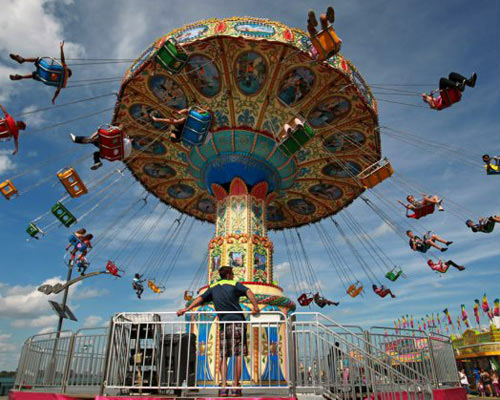
Chair Swing Rides and Free Fal
Chair swing rides and free fall towers may seem like fundamentally different attractions at first glance. One offers a gentle, rotating experience high above the ground, while the other delivers an intense vertical drop that leaves riders breathless. However, despite their contrasting thrill profiles, these rides share several engineering principles and design elements that make them enduring fixtures in amusement parks worldwide. Understanding these commonalities and their unique characteristics provides insight into the design philosophies that contribute to their popularity.

Beston Park 發表在 痞客邦 留言(0) 人氣()


Amusement parks are designed to be thrilling havens for adventure seekers, offering a plethora of attractions that cater to diverse preferences. Among the standout options, the mad mouse roller coaster and the dragon wagon ride offer an unparalleled combination of excitement and nostalgia, making them perfect companions in the quest for adventure. This article delves into the distinct characteristics of these rides, examining their appeal and the unique experiences they provide to visitors.


The Dynamic Duo: Mad Mouse Rol


The Mad Mouse Roller Coaster: A Whirlwind of Thrills


The mad mouse roller coaster is a quintessential attraction that captures the essence of fun and excitement. Renowned for its compact design and whimsical theme, this ride stands out in any amusement park landscape. Its layout typically features tight turns, sudden drops, and exhilarating spins that evoke the sensation of racing through a maze. The design is characterized by low-to-the-ground tracks, providing riders with a unique vantage point that enhances the adrenaline rush.


One of the defining features of the mad mouse roller coaster is its ability to accommodate a wide range of riders. From thrill-seeking teenagers to families with young children, this ride offers a thrilling yet manageable experience. The gentle yet exhilarating nature of the coaster makes it an excellent introduction to the world of roller coasters for those new to the experience.


Safety is a paramount consideration in the design of the mad mouse roller coaster. Equipped with sturdy restraints and safety features, riders can enjoy the twists and turns with peace of mind. The whimsical aesthetic, often adorned with bright colors and playful designs, further enhances its appeal, creating an inviting atmosphere that draws in guests.


The Enchantment of the Dragon Wagon Ride


Complementing the thrills of the mad mouse roller coaster, the dragon wagon ride offers a contrasting yet equally engaging experience. This ride is typically designed for younger children and families, making it a perfect choice for those who may not yet be ready for the intensity of traditional roller coasters. The dragon wagon ride often features whimsical dragon-themed cars that glide along a gentle track, providing a serene journey through enchanting landscapes.


The dragon wagon ride is characterized by its slow-paced nature, allowing riders to soak in their surroundings as they embark on a magical adventure. Often set amidst beautifully crafted scenery, the ride may include vibrant displays of mythical creatures, lush gardens, and captivating sound effects. This immersive experience encourages young riders to embrace their imagination, creating lasting memories that families can cherish.


While the dragon wagon ride is not designed for adrenaline junkies, it serves an essential purpose in the amusement park ecosystem. It provides a safe and enjoyable experience for younger guests, allowing them to become accustomed to the excitement of rides while ensuring they have fun. Parents often find comfort in the gentle ride, knowing their children are in a safe environment while enjoying the whimsical themes.


A Perfect Pairing for Adventure Seekers


The combination of the mad mouse roller coaster and the dragon wagon ride creates a balanced experience for amusement park visitors. Adventure seekers can enjoy the exhilarating thrills of the mad mouse roller coaster while also accommodating the needs of younger guests with the gentler dragon wagon ride. This pairing allows families to spend time together, catering to the varied preferences of all members.


Moreover, the juxtaposition of these rides encourages a sense of progression for young riders. After experiencing the dragon wagon ride, children may feel inspired to take on the more thrilling mad mouse roller coaster, creating a seamless transition into the world of roller coasters. This dynamic duo fosters an environment of shared adventure, allowing families to bond over their experiences while exploring their limits in a safe and enjoyable manner.


The convenience of having both rides in close proximity enhances the overall amusement park experience. Visitors can easily alternate between the high-energy thrills of the mad mouse roller coaster and the enchanting journey of the dragon wagon ride. This flow allows for an enjoyable day filled with laughter, excitement, and cherished memories.


Market Trends and Demand


As amusement parks strive to cater to a diverse audience, the demand for attractions that can accommodate various age groups is paramount. The mad mouse roller coaster and dragon wagon ride exemplify this trend, providing a balanced offering that appeals to families. Market research indicates that families are increasingly seeking destinations where both thrill-seekers and younger children can enjoy attractions together.


In response to this demand, amusement park designers and operators are investing in the development of rides that complement one another, much like the mad mouse roller coaster and the dragon wagon ride. By creating attractions that appeal to different demographics, parks can enhance visitor satisfaction and encourage longer stays, ultimately boosting overall revenue.


Safety Considerations and Innovations


The safety of riders remains a top priority in the design and operation of both the mad mouse roller coaster and the dragon wagon ride. Both rides are equipped with advanced safety features designed to protect guests during their experiences. Regular maintenance and inspections ensure that these rides remain in optimal condition, minimizing the risk of incidents and maximizing enjoyment.


Innovation in safety technology continues to shape the development of amusement park rides. Manufacturers are incorporating features such as advanced restraint systems and real-time monitoring capabilities, allowing for enhanced oversight of ride operations. These advancements not only improve safety but also instill confidence in visitors, encouraging them to explore the attractions available at amusement parks.


Conclusion


The mad mouse roller coaster and dragon wagon ride represent an ideal pairing for adventure seekers of all ages. While the mad mouse roller coaster provides the thrill and excitement that many crave, the dragon wagon ride offers a gentler experience perfect for families and younger guests. Together, these attractions create an inclusive environment that encourages shared experiences and cherished memories.


As amusement parks continue to evolve, the importance of diverse attractions cannot be overstated. The ability to cater to a wide range of preferences ensures that parks remain relevant and appealing to visitors. The dynamic duo of the mad mouse roller coaster and dragon wagon ride exemplifies this philosophy, providing excitement, adventure, and lasting enjoyment for everyone.


Beston Park 發表在 痞客邦 留言(0) 人氣()


Introduction


The drop tower ride has become an iconic attraction in amusement parks worldwide, renowned for its exhilarating experience that combines thrill and spectacle. As emerging markets expand their entertainment offerings, the drop tower presents both lucrative opportunities and formidable challenges for amusement park ride companies. Understanding these dynamics is crucial for stakeholders aiming to capitalize on the growing demand for amusement attractions.


The Ascendancy of Drop Towers:


The Drop Tower Phenomenon


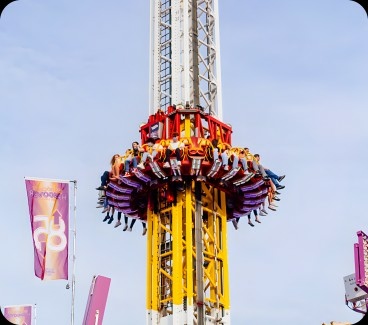
A drop tower is a vertical amusement ride that elevates riders to a significant height before releasing them in a rapid free fall. This type of ride harnesses the laws of physics to create an adrenaline-fueled experience, often accompanied by breathtaking views from the top. The design of a drop tower can vary, with some featuring rotating seats, while others focus solely on the drop itself.


The appeal of drop towers lies in their ability to deliver an unparalleled thrill, characterized by a unique combination of suspense and excitement. As riders ascend, they experience a mixture of anticipation and anxiety, culminating in a heart-pounding free fall that generates a rush of adrenaline. This multifaceted experience makes drop towers a coveted addition to amusement parks, especially in regions where thrill-seeking entertainment is on the rise.


Opportunities in Emerging Markets


Emerging markets present a fertile ground for the proliferation of drop towers. As disposable incomes rise and urban populations expand, there is an increasing demand for leisure activities. Amusement parks serve as a focal point for family entertainment, and the introduction of cutting-edge attractions, such as drop towers, can significantly enhance a park's appeal.


Amusement park ride companies can benefit from this trend by investing in market research to identify consumer preferences. In regions where traditional entertainment options may be limited, the introduction of innovative rides can attract diverse demographics. Drop towers, with their impressive height and thrilling experience, can become a key differentiator for amusement parks, drawing visitors from both local and neighboring communities.


Additionally, the marketing potential of drop towers is substantial. With the rise of social media, thrill-seekers are eager to share their experiences online. A well-promoted drop tower ride can become a viral sensation, generating buzz and attracting visitors who wish to partake in the latest adrenaline-fueled experiences. Thus, effective branding and promotional strategies can amplify the visibility of both the ride and the amusement park itself.


Challenges in the Drop Tower Market


Despite the numerous opportunities, challenges abound in the drop tower market within emerging economies. One significant hurdle is the regulatory landscape. Safety regulations and standards can vary dramatically across countries, complicating the process for amusement park ride companies seeking to install new attractions. Navigating the intricacies of compliance while ensuring rider safety requires a thorough understanding of local regulations, which can be daunting for newcomers.


Moreover, the initial capital investment required to design and install a drop tower is substantial. The costs associated with construction, maintenance, and insurance can be prohibitive for some operators, particularly in emerging markets where access to financing may be limited. As a result, companies must conduct rigorous financial analyses to ensure that the projected return on investment justifies the expenditures involved.


Another critical consideration is the cultural perceptions of thrill rides. In some regions, amusement parks may still be perceived as niche entertainment options, primarily for younger audiences. Therefore, marketing strategies must be tailored to resonate with local customs and preferences. Engaging with communities to educate them about the safety and enjoyment of drop towers is essential for overcoming resistance and fostering acceptance.


The Role of Technology


As the market for drop towers evolves, the integration of technology becomes paramount. Advances in engineering and design can enhance the overall experience of the ride while improving safety measures. For instance, incorporating digital elements, such as virtual reality enhancements, can transform a traditional drop tower into an immersive adventure. This innovative approach not only captivates thrill-seekers but also appeals to a broader audience, including families and younger children.


Additionally, the use of data analytics can aid amusement park ride companies in understanding customer preferences and behaviors. By analyzing visitor trends and feedback, operators can refine their offerings to better meet the demands of their target audience. This proactive approach can lead to increased customer satisfaction and repeat visits, ultimately driving revenue growth.


Conclusion


The drop tower ride represents a powerful force in the realm of amusement park attractions, offering a unique blend of excitement and adventure. As emerging markets continue to expand their entertainment landscapes, the opportunities for amusement park ride companies are abundant. However, it is crucial to navigate the challenges inherent in regulatory compliance, cultural perceptions, and financial investments.


By leveraging technological advancements and adopting strategic marketing initiatives, stakeholders can position themselves to thrive in this dynamic environment. The successful integration of drop towers into amusement parks not only enhances the overall guest experience but also contributes to the sustainable growth of the entertainment industry in emerging markets. As the thrill of the drop tower revolution unfolds, it promises to redefine the landscape of amusement attractions for years to come.


Beston Park 發表在 痞客邦 留言(0) 人氣()

Blog Stats
⚠️

成人內容提醒

本部落格內容僅限年滿十八歲者瀏覽。
若您未滿十八歲,請立即離開。

已滿十八歲者,亦請勿將內容提供給未成年人士。