Carnivals have long been a staple of entertainment, offering a wide range of attractions that cater to people of all ages. From classic rides that have been crowd favorites for decades to new, thrilling experiences, these events are designed to leave lasting impressions on visitors. For carnival operators and amusement park owners, understanding which attractions drive the most engagement is crucial for sustaining high foot traffic and maintaining profitability. In particular, popular carnival rides and the pricing trends surrounding carousels are key factors that can influence both customer satisfaction and financial success .
The Everlasting Appeal of Popular Carnival Rides
When analyzing popular carnival rides, it's essential to consider the diversity of offerings that cater to different demographics. Family-friendly rides like Ferris wheels, bumper cars, and teacup rides are timeless staples that draw steady crowds. These rides provide a gentle yet enjoyable experience , appealing to children, parents, and those seeking a more relaxed thrill. At the same time, adrenaline-pumping rides, such as drop towers and roller coasters, cater to those who crave a more intense experience. These extreme attractions often feature prominently in carnival advertising, helping to draw larger crowds.
What makes certain carnival rides more popular than others often boils down to nostalgia, the thrill factor, and overall ride design. The sense of tradition tied to classic rides, like the Ferris wheel and carousel, evokes memories for adults while introducing younger generations to their charm. However, newer innovations, like virtual reality rides and interactive experiences, have begun to carve out their own space in the world of carnival attractions. As these technological advancements continue to gain traction, they may soon join the ranks of popular carnival rides .
Understanding Carousel Price Variability
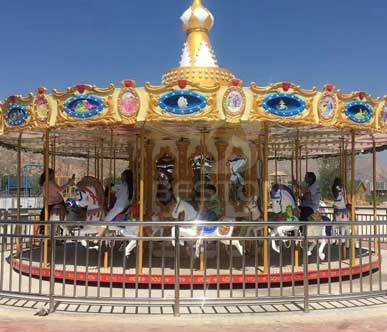
The iconic carousel, also known as the merry-go-round, is a central feature of most carnivals and amusement parks. However, when it comes to investing in this classic ride, the carousel price can vary significantly based on several factors. These factors include size, design complexity, materials, and customization options. A basic, single-tier carousel with standard animal figures will naturally be priced lower than an intricately themed, double-decker model with custom seating and lighting features.
For those considering purchasing a carousel for a carnival or park, it’s important to evaluate the target audience and the aesthetic of the venue. A high-end, custom-built carousel may be a worthwhile investment in premium locations, such as large amusement parks or shopping centers, where the ride itself can serve as a visual landmark. In these cases, a higher carousel price is justified by the potential for increased visitor engagement and profitability.
On the other hand, smaller carnivals or traveling fairs may opt for more affordable, portable carousel options. These units typically feature simpler designs and are easier to transport and set up. With lower maintenance and operational costs, they offer a cost-effective solution for operators looking to provide a nostalgic yet economical ride experience.
Factors Influencing Carousel Pricing
Several key factors influence the cost of carousels in today’s market. One of the most significant factors is the size of the carousel. Larger models, particularly those featuring double layers, can accommodate more riders, but they also come with higher production and transportation costs. The overall capacity of the ride is a key determinant in pricing, as larger carousels can generate higher revenue through increased rider throughput, justifying their elevated costs.
Another crucial factor is the level of customization available. High-end carousels often feature bespoke themes, intricate carvings, and LED lighting systems. Some manufacturers offer detailed animal figures that align with specific themes, such as mythical creatures, jungle animals, or even space-themed carousels. These design choices can significantly raise the carousel price, particularly for operators seeking a unique, one-of-a-kind attraction.
Material selection is another element that influences costs. Carousels constructed from high-grade materials, such as fiberglass or steel, tend to be more durable and have a longer operational lifespan. Although the initial investment may be higher, these models often offer better long-term value due to reduced maintenance and higher safety standards. In contrast, carousels made from less expensive materials may be more affordable upfront but can lead to higher operational costs over time due to increased wear and tear.
Maintenance and Operating Costs
In addition to the initial carousel price, operators must also consider the ongoing maintenance and operating costs associated with the ride. Carousels require regular upkeep to ensure smooth operation and safety. Mechanical components, such as the motor and gears, need periodic inspections and lubrication, while the structural elements, including the platform and support beams, must be checked for wear and corrosion.
Operating costs, such as electricity usage and staff requirements, also contribute to the overall expense of running a carousel. Larger, more elaborate carousels often consume more power, particularly those featuring advanced lighting and sound systems. Additionally, operators may need to hire extra staff for larger models to ensure the safety of riders and manage queues efficiently.
It's worth noting that investing in a high-quality carousel with durable materials and efficient energy systems can help mitigate these ongoing expenses. Over time, the reduced maintenance and energy costs associated with premium models can offset the initial higher carousel price, providing a better return on investment for operators.
Trends in the Carousel Market
Recent years have seen an increase in demand for themed and customizable carousels, driven by a desire to create unique experiences for visitors. Many modern amusement parks and carnivals are moving away from standard designs and embracing the opportunity to tell a story through their rides. Whether it's a vintage, fairytale-inspired carousel or one with futuristic, LED-enhanced animal figures, these designs help differentiate a venue and provide memorable experiences for guests.
Another trend that has influenced carousel price is the integration of technology. Interactive elements, such as augmented reality (AR) or virtual reality (VR), are being incorporated into some modern carousel designs, adding an additional layer of engagement for riders. While these features tend to increase the upfront cost of the ride, they offer a novel way to attract tech-savvy audiences and enhance the overall appeal of the attraction.
Furthermore, sustainability is becoming a growing consideration in carousel manufacturing. Eco-friendly materials and energy-efficient technologies are being introduced to reduce the environmental impact of these rides. Although these sustainable options may come with a slightly higher carousel price, they are becoming increasingly important for venues looking to align with environmentally conscious values and reduce long-term operational costs.
Conclusion
As the world of carnivals and amusement parks evolves, popular carnival rides like the carousel continue to captivate audiences with their timeless charm. Understanding the factors that influence the carousel price, from size and design to material quality and maintenance costs, is essential for operators seeking to maximize their investment. With the rise of customization, technological integration, and sustainability, the market for carousels is more dynamic than ever, offering a range of options for venues looking to enhance their appeal.

請先 登入 以發表留言。