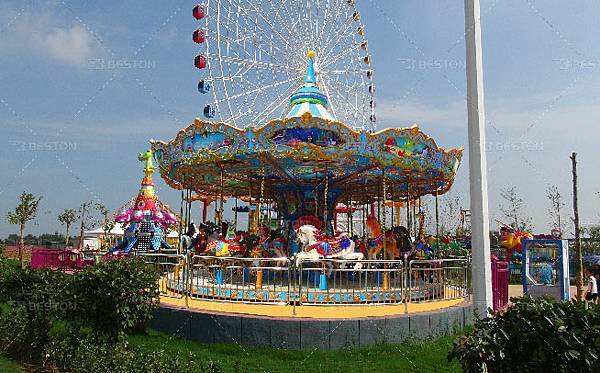
Ensuring the safety and reliability of fairground equipment is paramount for operators and manufacturers alike. Among the most iconic of these attractions is the fairground carousel, a staple in amusement parks and funfairs around the world. While they may appear simple in design, carousels require stringent testing and certification processes to guarantee their safety, structural integrity, and long-term durability. This guide outlines the critical steps involved in the quality testing and certification process for fairground carousels, ensuring they meet both local and international standards.
The Importance of Rigorous Testing for Funfair Rides
Before any amusement ride can be operational, it must undergo comprehensive testing to ensure it complies with industry standards. This is particularly true for funfair rides, where the stakes are higher due to the inherent mechanical complexities involved. Mechanical stress, frequent use, and exposure to varying environmental conditions can all affect the safety and functionality of these rides.
For a funfair ride like a carousel, testing begins right from the design phase. Engineers must calculate load distribution, the effect of rotational forces, and the impact of weathering on the ride’s components. These calculations form the foundation for determining the materials used, as well as the necessary safety features. The goal is to ensure that every component of the carousel, from the motor system to the horses, can withstand constant operation without failure.
Step 1: Initial Design Review for the Fairground Carousel
The first step in quality testing a fairground carousel is a thorough design review. This process involves engineers and safety inspectors evaluating the ride's structural and mechanical elements. They assess load-bearing components, such as the central column, support beams, and motor systems, to ensure they meet the required safety margins. Engineers use sophisticated modeling software to simulate real-world operating conditions and predict potential points of failure.
Designs are checked against established safety standards, such as the ASTM International F2291 standard, which covers the design, manufacturing, and testing of amusement rides and devices. Local safety regulations also come into play, with specific requirements varying from country to country. This initial design phase is crucial because it sets the blueprint for a safe and reliable carousel.
Step 2: Material Testing and Component Evaluation
Once the design is approved, the materials used in constructing the carousel must undergo testing. Material selection is crucial as it determines the ride’s durability and resistance to wear. Commonly used materials like steel and fiberglass must meet specific criteria for tensile strength, impact resistance, and corrosion resistance, especially when the carousel operates in outdoor environments.
During this phase, individual components such as the platform, rotating mechanism, and decorative figures are tested for quality. Each component undergoes stress testing to simulate the forces it will experience during operation. For instance, the carousel’s platform must support the weight of multiple riders while maintaining structural integrity under rotational stress. Similarly, the decorative elements, such as the horses or vehicles, must be tested to ensure they are secure and can handle the constant motion of the ride.
Step 3: Electrical System Evaluation
The electrical systems that power the carousel are a critical aspect of its safety. Electrical testing involves evaluating the motor, control systems, and safety interlocks to ensure they operate efficiently and safely. Technicians examine wiring connections, insulation quality, and circuit protection mechanisms. They also conduct load tests to ensure the motor can handle peak operating conditions without overheating or malfunctioning.
Beyond mechanical operation, the carousel’s electrical system must also comply with standards for electromagnetic compatibility (EMC). This ensures that the ride’s electrical systems do not interfere with other nearby equipment, a crucial factor in environments with multiple rides operating in close proximity.
Step 4: Operational Testing and Safety Features
Before a carousel is certified for public use, it must undergo operational testing to ensure all systems work as intended. This phase involves running the carousel under real-world conditions, monitoring the ride for issues such as excessive vibrations, abnormal noise levels, or uneven rotational speed. The aim is to simulate the conditions the ride will face during actual operation, accounting for factors like rider weight distribution and environmental conditions.
Safety features are also a major focus during this phase. Inspectors check that the emergency stop mechanism functions correctly and that the ride can be safely halted in the event of a malfunction. They also assess the integrity of safety restraints and barriers, ensuring riders remain secure during operation.
Step 5: Compliance with Local and International Standards
To be legally operated, a fairground carousel must comply with a wide range of standards and regulations. In most jurisdictions, amusement rides are subject to regular inspections by local authorities. These inspections ensure that the carousel remains compliant with safety standards and that any necessary maintenance has been performed.
In many cases, fairground rides must also meet international safety standards. For instance, the European Union's EN 13814 standard sets out stringent requirements for the safety of amusement rides and devices. Similarly, the ISO 17842 standard outlines global safety standards for the operation and maintenance of amusement rides. Meeting these international standards not only ensures the ride’s safety but also broadens its marketability, as many parks prefer rides with international certifications.
Step 6: Certification and Periodic Inspections
Once a fairground carousel passes all required tests, it can be certified for use. Certification confirms that the ride complies with all relevant safety standards and regulations. However, certification is not a one-time process. Amusement rides are subject to periodic inspections to ensure they remain safe for use.
During these inspections, inspectors check for wear and tear on mechanical components, assess the electrical system for signs of degradation, and verify that safety features remain operational. Any issues identified during these inspections must be rectified before the ride can continue operating. Regular maintenance is crucial to ensuring that a carousel remains safe and functional throughout its operational life.
Step 7: Post-Certification Monitoring and Maintenance
Even after certification, the quality testing process continues in the form of ongoing maintenance and monitoring. Regular maintenance ensures that the carousel’s mechanical and electrical systems remain in optimal condition. Operators must follow a strict maintenance schedule, which includes tasks such as lubricating moving parts, inspecting the motor and control systems, and replacing worn or damaged components.
Post-certification monitoring also involves tracking ride performance data. Operators can use this data to identify patterns of wear or other issues before they result in a failure. For instance, sensors can detect increased friction in the rotating mechanism, prompting preventive maintenance to avoid more significant damage. Proactive monitoring reduces the risk of downtime and enhances the ride's overall safety.
Conclusion
The quality testing and certification process for fairground carousels is a multi-step procedure that ensures the safety, durability, and performance of the ride. From the initial design review to ongoing post-certification maintenance, each step is crucial in guaranteeing that the carousel operates safely for its riders. By adhering to strict industry standards and conducting rigorous testing, operators and manufacturers can offer visitors a safe and enjoyable experience, ensuring the longevity and reliability of this iconic funfair attraction.

請先 登入 以發表留言。