The long-term profitability of an amusement park does not rely solely on ticket sales. Secondary spending—covering food, souvenirs, interactive attractions, and premium experiences—can significantly amplify revenue streams. Manufacturers play a vital role in shaping these scenarios by providing guidance, specialized designs, and operational strategies that maximize guest engagement and spending potential.
The Role of Manufacturers in Revenue Diversification
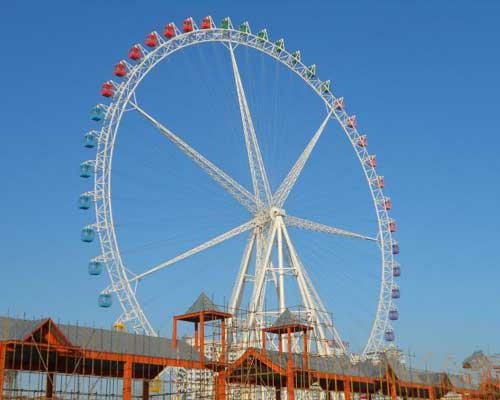
Choosing the right partner for ferris wheel building is more than acquiring a landmark ride. It is about integrating a centerpiece that enhances crowd flow, establishes sightlines, and creates adjacent retail and dining opportunities. Manufacturers understand how iconic rides generate foot traffic and can advise on optimal placement to stimulate secondary purchases.
Enhancing Guest Experience Through Themed Installations
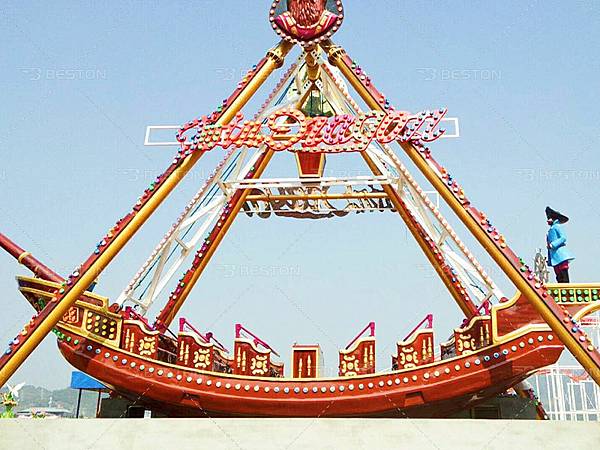
When it comes to creating unforgettable attractions, an amusement park pirate ship exemplifies how thematic rides support secondary spending. Its strong visual identity draws visitors into a specific zone, where nearby vendors can offer nautical-themed merchandise or interactive experiences. Manufacturers often recommend cohesive storytelling, ensuring rides and retail environments reinforce one another.
Merchandising Opportunities Embedded in Design
Forward-thinking manufacturers anticipate how rides will influence visitor behavior beyond the queue line. A well-designed attraction exit that channels guests through gift shops or themed snack stands transforms ordinary traffic flow into a revenue generator. Practical design choices—such as incorporating photo stations at ferris wheel platforms—enhance upsell potential.
Dining and Foodservice Integration
Secondary spending thrives when rides are strategically positioned near food and beverage hubs. Manufacturers, drawing on years of project experience, can advise operators on how specific ride placements encourage longer dwell times. For example, a towering ferris wheel beside a lakeside dining area creates a dual attraction: visual appeal and extended visitor stays.
Seasonal and Festival Adaptability
Manufacturers also support operators by suggesting modular features and flexible ride designs that adapt to seasonal events. A pirate ship ride dressed for Halloween with immersive lighting and themed décor can double as a merchandise hotspot, selling related costumes, trinkets, or seasonal food. This adaptability sustains continuous visitor spending across multiple return visits.
Technology Integration for Added Value
Modern attractions are not only mechanical marvels; they are also platforms for digital engagement. Manufacturers propose integrated ticketing kiosks, ride-specific apps, and cashless payment systems that accelerate spending. For instance, pairing a ferris wheel with digital wristband technology allows operators to bundle ride access with premium experiences, photo downloads, or fast-track services.
Strategic Placement for Secondary Revenue
Secondary spending flourishes when attractions are placed within carefully engineered layouts. Manufacturers offer critical insights into ride clustering, ensuring that a pirate ship ride, for example, is positioned near midway games or family dining. This arrangement encourages groups to linger, spend more, and participate in varied experiences within the same zone.
Safety and Trust as Revenue Drivers
Beyond aesthetics and technology, manufacturers reinforce trust through strict adherence to safety standards. A secure and reliable ferris wheel installation reassures visitors, encouraging repeat rides and higher spending on associated offerings. Trust in the ride experience translates into confidence in other park transactions, from concessions to souvenirs.
Long-Term Partnership and Continuous Support
Finally, manufacturer support does not end at delivery. Long-term collaboration ensures operators receive ongoing updates, design enhancements, and suggestions for introducing new secondary spending touchpoints. Whether upgrading an existing pirate ship ride with interactive elements or reconfiguring pathways to integrate kiosks, their expertise ensures sustained revenue growth.
Conclusion
Secondary spending represents a crucial pillar of amusement park profitability. With strategic input from manufacturers—ranging from ferris wheel building to the integration of an amusement park pirate ship—operators can transform guest experiences into sustainable revenue opportunities. By leveraging design, storytelling, and technology, parks can maximize every visitor interaction and convert it into long-term financial success.

請先 登入 以發表留言。